

The hardware of a handbag affects its durability, user experience, and brand reputation. Even a cracked D-ring or a rusty zipper pull can significantly detract from the quality of a handbag if the hardware is substandard. If you're looking for high-quality hardware for your handbag, understanding common hardware quality issues can help you choose the right pieces.
Common Handbag Hardware Types
Before understanding common quality issues, you also need to know about commonly used handbag hardware. Here are some common handbag hardware types:
1. D-ring/O-ring
2. Swivel Hooks & Trigger Clips
3. Buckles & Strap Adjusters
4. Rivets, Eyelets & Grommets
5. Magnetic Snaps & Turn Locks
For a complete list of handbag hardware accessories, please click on our "Comprehensive Guide to Handbag Hardware Accessories"


The Most Common Handbag Hardware Quality Issues
1. Plating Problems (Discoloration, Peeling, Fading)
Plating issues usually appear as color fading, uneven shine, peeling surfaces, or visible base metal exposure, and they occur when the plating layer is too thin, the pre-treatment is incomplete, or the topcoat protection is weak. These problems not only make the hardware look cheap but also accelerate corrosion. Inspection teams typically test plating quality using visual comparison under a D65 light box, plating-thickness measurement (0.2–0.5 µm for basic hardware, 0.8–1.0 µm for premium plating), and salt-spray tests (24–72 hours depending on standard).
2. Rusting & Corrosion
Rust appears as brown spots, bubbling under the surface, or black discoloration-most commonly seen on cheap zinc alloy, recycled alloy, or hardware stored in humid conditions. The root cause is poor anti-corrosion treatment, insufficient sealing, or low-purity materials that react quickly with moisture. Testing for rust resistance includes reviewing the factory's salt-spray test report, checking surface smoothness, and observing the hardware after simulated humidity exposure.
3. Hardware Breakage or Deformation
Breakage happens when metal snaps under pressure, bends out of shape, or cracks at stress points-common with D-rings, hooks, and adjusters. This usually stems from thin wall thickness, impurity-filled alloy, under-strength mold design, or over-polishing that weakens structure. Quality control involves tensile testing (load tests of 30–80 kg depending on bag type), weight-drop tests to check deformation, and caliper measurements to confirm minimum thickness.
4. Weak Welding or Poor Soldering
Weak welds reveal themselves as split seams, visible gaps, or broken joints-especially in swivel hooks, chain links, and rings. The cause is incomplete welding, low-quality solder, or insufficient heat penetration during bonding. QC testing includes 360° visual inspection of the seam, applying manual twisting force, and performing weld-point tensile testing to ensure the joint can withstand daily stress.
5. Sharp Edges & Poor Finishing
Sharp edges leave scratches, snag fabric, damage leather straps, or create an unpleasant user experience. These defects arise when deburring and polishing steps are rushed or skipped, leaving rough or uneven metal surfaces. Inspectors run a finger-glide test, check edge uniformity, and examine the hardware under magnification to ensure rounded corners and smooth finishing.
6. Loose Screws, Pins, and Movable Parts
Loose components create rattling sounds, misalignment, or movement that should not occur, often affecting logo plates, handle connectors, and decorative screws. Causes include insufficient torque, no thread-locking solution, or improper assembly. Checking torque levels with a torque screwdriver, shake-testing for rattling, and verifying screw tightness during sampling ensures stability.
7. Misalignment & Assembly Defects
Misaligned hardware looks crooked, tilts to one side, or fails to close smoothly-common in turn locks, rivets, and magnetic snaps. These issues result from poor fixture alignment during installation, inaccurate drilling holes, or uneven pressure during pressing. QC methods include ruler-based angle checks, fixture alignment verification, and confirming symmetry against measurement templates.
8. Zipper Failure (Slider Damage, Chain Separation, Puller Breakage)
Zipper defects appear as sticking, chain gaps, slider loosening, or puller snapping-often caused by weak slider alloy, poor lubrication, or improper chain assembly. Testing includes 1,000-cycle pull-testing, chain tape tensile tests, smoothness checks, and verifying slider lock functionality.
9. Magnet Weakness or Demagnetization
Weak magnets cause flaps to open accidentally or fail to snap shut, while demagnetized pieces lose their function entirely. The root reasons include using low-grade magnets, overheating during assembly, or poor matching between the male/female parts. QC tests involve magnet-strength pull testing, alignment checks, and verifying magnet grade consistency.
10. Noise Issues (Rattling, Clicking, Metal-on-Metal Sound)
Excessive noise occurs when metal gaps are too large, components are loosely assembled, or chain links are uneven-affecting the perception of quality. The cause is typically large tolerances, imprecise machining, or insufficient lubrication. QC testing includes a rattle test, measuring gap tolerances (usually 0.05–0.1 mm), and checking rotation smoothness to ensure controlled movement.
High-quality hardware accessories enhance the lifespan and overall quality of bags. Bag brands need to prioritize the inspection of their hardware accessories to create trustworthy products for consumers.
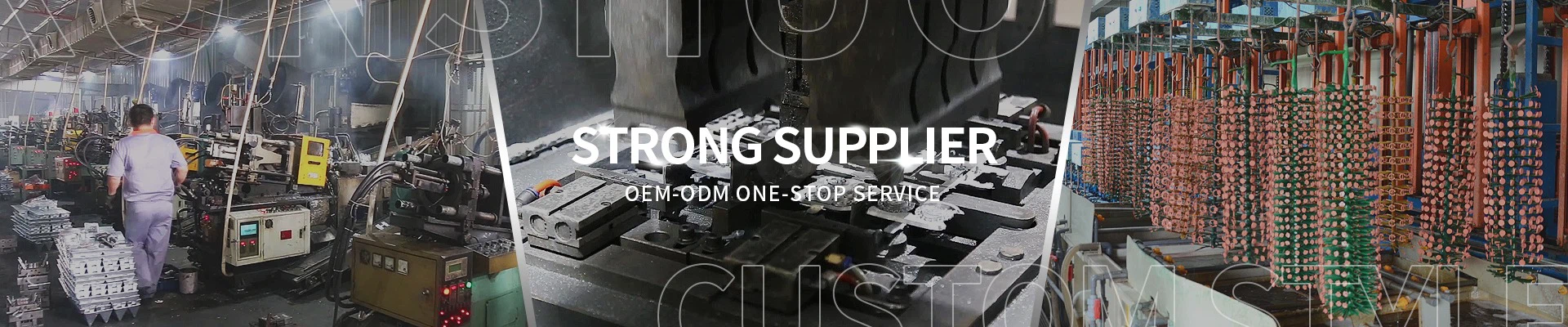
Kunshuo is a manufacturer specializing in metal hardware accessories for apparel, offering one-stop OEM/ODM services. We have a professional design and mold-making team capable of perfectly replicating your designs. We can also provide salt spray test reports upon request. Furthermore, we offer door-to-door service and diverse payment methods for a hassle-free purchasing experience.


