

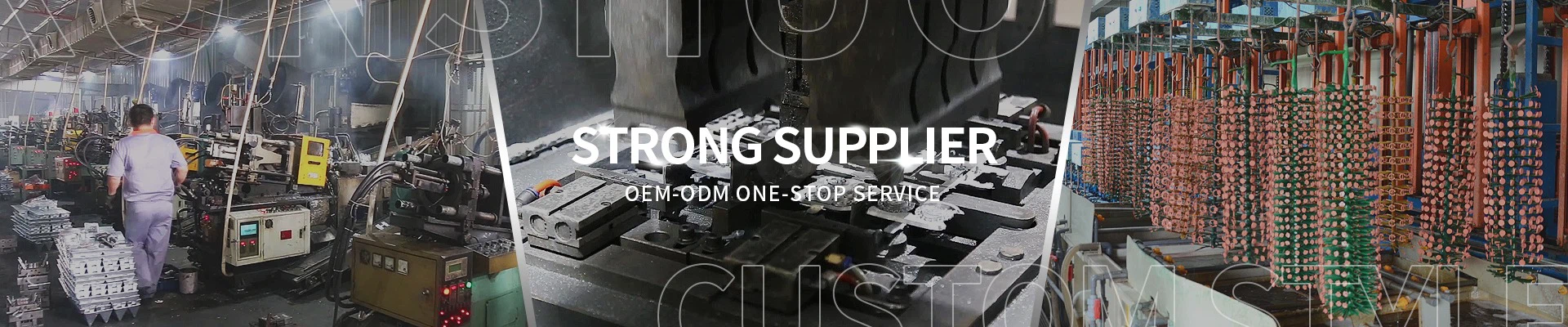
From luxury fashion and swimwear to handbags and outdoor apparel, high-quality metal labels are increasingly used to communicate craftsmanship, durability, and premium positioning. PVD-coated metal labels have gained significant popularity due to their excellent wear resistance, color stability, and sophisticated appearance.
In this guide, we'll take you through the complete manufacturing journey of a PVD-coated metal label, explaining each production step from the base metal to the final quality inspection. Whether you are a fashion brand, sourcing manager, designer, or garment accessories buyer, understanding this process can help you make more informed decisions when selecting custom metal labels for your products.
What Are PVD-Coated Metal Labels?
Unlike ordinary metal labels, PVD-coated labels feature a thin protective coating applied inside a vacuum chamber. This coating bonds to the metal surface, helping improve wear resistance, color stability, scratch resistance, and corrosion resistance.
These labels are widely used on apparel, swimwear, handbags, footwear, and fashion accessories to display logos, brand names, and product identity while enhancing the overall appearance of the product.


PVD Metal Label Manufacturing Flow
From selecting the appropriate base material to applying the final coating and conducting quality inspections, each stage plays a vital role in ensuring the label's appearance, durability, and performance.
Step 1: Material Selection
The process begins with choosing the most suitable base metal, such as stainless steel, brass, titanium, or zinc alloy. Material selection directly affects durability, appearance, and coating performance.
Step 2: Design Development
The customer's logo, artwork, dimensions, thickness, and attachment requirements are converted into production-ready technical drawings.
Step 3: Mold Making
For custom projects, molds or tooling are developed to ensure precise shaping and consistent production results.
Step 4: Label Fabrication
The metal label is manufactured using processes such as stamping, die casting, CNC machining, or laser cutting, depending on the design complexity and material type.
Step 5: Surface Polishing and Cleaning
Before coating, the label undergoes polishing, grinding, and cleaning to remove imperfections and prepare the surface for optimal coating adhesion.
Step 6: Logo and Decorative Processing
Brand logos and design elements are added through techniques such as laser engraving, embossing, debossing, cut-outs, or enamel filling.
Step 7: Pre-Coating Inspection
Each label is inspected for dimensional accuracy, surface quality, and logo consistency before entering the coating stage.
Step 8: PVD Coating
The labels are placed inside a vacuum chamber where the PVD process creates a durable and decorative metallic finish.
Step 9: Color and Finish Verification
Coated labels are checked to ensure color consistency, finish uniformity, and overall appearance meet the required specifications.
Step 10: Quality Testing
Manufacturers perform various tests, including adhesion testing, abrasion resistance testing, and visual inspections to verify product quality.
Step 11: Assembly and Attachment Preparation
Depending on the application, sewing holes, rivets, prongs, adhesive backing, or other attachment methods may be added.
Step 12: Final Inspection and Packaging
Finished labels undergo a final quality review before being packaged and prepared for shipment.


Common Defects and How Manufacturers Prevent Them
Understanding common defects and their causes can help apparel brands evaluate supplier capabilities and ensure consistent product quality.
1. Color Inconsistency
Common Issue
Labels from different production batches may show slight variations in color or tone, especially with black, gunmetal, gold, or rose gold finishes.
Possible Causes
Unstable coating parameters
Inconsistent coating time
Variations in base material quality
Poor process control
Prevention Measures
Standardized PVD coating procedures
Batch color comparison systems
Strict material consistency control
Sample approval before mass production
2. Scratches and Surface Damage
Common Issue
Visible scratches, scuffs, or marks may appear on the label surface, reducing its visual appeal.
Possible Causes
Improper handling during production
Inadequate protective packaging
Contact between labels during transportation
Insufficient surface protection after coating
Prevention Measures
Protective trays and separators
Careful handling procedures
Individual packaging when necessary
Final appearance inspection before shipment
3. Poor Coating Adhesion
Common Issue
The coating may peel, chip, or separate from the metal surface after use.
Possible Causes
Inadequate surface cleaning
Contamination before coating
Improper pre-treatment process
Incorrect coating parameters
Prevention Measures
Thorough ultrasonic cleaning
Strict surface preparation standards
Adhesion testing after coating
Regular equipment maintenance
4. Surface Contamination
Common Issue
Dust particles, fingerprints, oil residue, or foreign matter may become trapped beneath or on top of the coating.
Possible Causes
Unclean production environment
Improper handling
Incomplete cleaning process
Prevention Measures
Clean manufacturing environment
Controlled handling procedures
Multiple cleaning stages before coating
Routine quality inspections
5. Uneven Surface Finish
Common Issue
Some areas of the label may appear dull, rough, or inconsistent compared to the rest of the surface.
Possible Causes
Poor polishing quality
Uneven coating deposition
Surface imperfections before coating
Prevention Measures
Consistent polishing procedures
Surface inspection before coating
Optimized PVD process control
Finish verification after coating
Compared with many conventional decorative finishes, PVD-coated metal labels offer excellent wear resistance, enhanced color stability, and a premium metallic appearance, making them a popular choice for luxury apparel, swimwear, handbags, footwear, and fashion accessories.
Looking for a Custom PVD Metal Label Manufacturer?
Kunshuo specializes in the design and production of custom PVD-coated metal labels for apparel, swimwear, bags, footwear, and fashion accessories. We offer:
- Custom shapes, sizes, and logo designs
- Stainless steel, brass, and zinc alloy materials
- Premium PVD finishes in various colors
- Laser engraving, embossing, and debossing options
- OEM & ODM manufacturing services
- Fast sampling and bulk production support
Contact our team today to discuss your project, request samples, or receive a customized quotation. Our experts are ready to help you create durable, high-quality metal labels that enhance your brand and elevate your products.
FAQ
Q: Which materials are commonly used for PVD metal labels?
A: The most common materials include stainless steel, brass, titanium, and zinc alloy. Stainless steel is often preferred for its durability and excellent PVD compatibility.
Q: Can custom logos be added to PVD metal labels?
A: Yes. Logos can be created through laser engraving, embossing, debossing, cut-outs, or other custom decorative techniques.
Q: What colors are available with PVD coating?
A: Popular options include black, gunmetal, gold, rose gold, silver, and matte finishes.
Q: Are PVD-coated metal labels suitable for swimwear?
A: Yes. Their enhanced corrosion resistance and color stability make them a popular choice for swimwear and beachwear accessories.
Q: How long does PVD coating last?
A: The lifespan depends on the material, coating quality, and usage environment, but PVD coatings are generally known for excellent long-term durability.
Q: What is the MOQ for custom PVD metal labels?
A: Minimum order quantities vary depending on the design, material, manufacturing process, and customization requirements.


