

As the demand for premium thobes, kanduras, and Islamic fashion garments continues to grow across Saudi Arabia, the UAE, Qatar, and other Middle Eastern markets, brands are paying closer attention to the materials used in their garment accessories. A well-designed metal button not only improves the user experience but also strengthens brand identity and enhances the overall quality of the garment.
In this guide, we compare zinc alloy, brass, and stainless steel thobe buttons in detail. You'll learn how each material performs, which option is best suited for different applications, and how leading thobe brands select button materials to balance quality, aesthetics, and cost.
Understanding Zinc Alloy Thobe Buttons
Zinc alloy is one of the most widely used materials in the thobe button industry, particularly for custom metal buttons and snap fasteners.
One of the biggest advantages of zinc alloy is its versatility. It can be easily die-cast into complex designs and finished with a variety of plating options, including gold, silver, black nickel, gunmetal, and antique brass. This makes it an ideal choice for brands looking to develop customized thobe buttons that combine style, durability, and cost efficiency.
Advantages of Zinc Alloy Buttons
* Excellent for custom logo and decorative designs
* Cost-effective for large-volume production
* Lightweight yet durable
* Supports a wide range of plating finishes
* Ideal for snap buttons and fashion accessories


Understanding Brass Thobe Buttons
It is commonly used in high-end thobes, designer kanduras, and premium Islamic fashion collections where quality and appearance are top priorities.
They can be polished to achieve a rich shine or plated in a variety of luxury finishes to match different garment styles. Because of its durability and premium image, brass is often chosen by brands looking to position their products in the upper end of the market.
Advantages of Brass Buttons
* Premium appearance and feel
* Strong and durable construction
* Excellent polishing and finishing performance
* Long service life
Understanding Stainless Steel Thobe Buttons
Unlike many other metals, stainless steel contains chromium, which forms a protective layer that helps prevent rust and oxidation even in challenging environments.
This material is particularly suitable for regions with high humidity, coastal climates, or frequent exposure to perspiration. Stainless steel buttons maintain their appearance over time and require minimal maintenance, making them an attractive option for customers seeking long-lasting performance.
Advantages of Stainless Steel Buttons
* Outstanding corrosion resistance
* High strength and durability
* Resistant to rust, moisture, and oxidation
* Long lifespan with minimal maintenance
* Modern and sophisticated appearance
Comparison of Zinc Alloy, Brass, and Stainless Steel Thobe Buttons
|
Feature |
Zinc Alloy |
Brass |
Stainless Steel |
|
Material Cost |
Low to Medium |
Medium to High |
High |
|
Durability |
Good |
Excellent |
Excellent |
|
Corrosion Resistance |
Good (with plating) |
Very Good |
Outstanding |
|
Weight |
Lightweight |
Medium |
Heavy |
|
Custom Design Flexibility |
Excellent |
Good |
Limited |
|
Die-Casting Capability |
Excellent |
Good |
Not Ideal |
|
Engraving & Logo Detail |
Excellent |
Excellent |
Good |
|
Luxury Appearance |
Very Good |
Premium |
Modern |
|
Plating Compatibility |
Excellent |
Excellent |
Limited |
|
Production Efficiency |
High |
Medium |
Medium |
|
Best Market Position |
Mid-Range |
Luxury |
High-Performance |
Before making a final decision, brands should consider several key factors, including intended use, climate conditions, customization requirements, finish options, and overall product positioning. Working with an experienced button manufacturer can also help ensure the selected material aligns with both functional needs and branding objectives.
Looking for Custom Thobe Buttons?
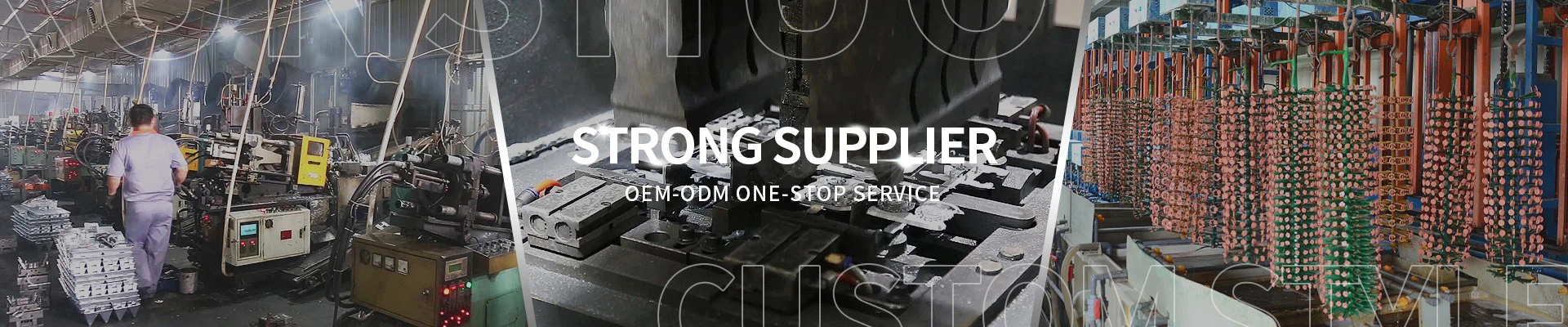
Whether you need zinc alloy snap buttons, luxury brass buttons, or stainless steel thobe accessories, Kunshuo provides complete OEM and ODM manufacturing solutions for thobes, kanduras, jubbas, and other Islamic garments.
Our services include:
Custom logo development
Die-casting and mold creation
Premium plating finishes
Custom sizes and shapes
OEM & ODM production
Quality inspection and export support
Contact our team today to request samples, discuss your design requirements, or receive a customized quotation. We are committed to helping brands create durable, stylish, and high-quality thobe buttons that stand out in today's competitive Islamic fashion market.
FAQ
Q: 1. What is the best material for thobe buttons?
A: Zinc alloy is the best overall choice for most brands. Brass suits luxury thobes, while stainless steel offers the best corrosion resistance.
Q: 2. Is zinc alloy a good material for thobe buttons?
A: Yes. It is durable, affordable, and ideal for custom designs and plating finishes.
Q: 3. Are brass buttons better than zinc alloy buttons?
A: Not always. Brass feels more premium, while zinc alloy is more cost-effective and easier to customize.
Q: 4. Do stainless steel thobe buttons rust?
A: High-quality stainless steel is highly resistant to rust and corrosion.
Q: 5. Which material is best for custom logo thobe buttons?
A: Zinc alloy is usually the best choice because it supports detailed logos and custom shapes.
Q: 6. Which material is most commonly used for Saudi thobe buttons?
A: Zinc alloy is the most commonly used material due to its cost-effectiveness and versatility.
Q: 7. Which material is preferred for luxury kandura buttons?
A: Brass is often preferred for its premium appearance and durability.
Q: 8. What is the most durable material for thobe buttons?
A: Stainless steel is generally the most durable option.
Q: 9. Can all metal thobe buttons be plated?
A: Most metal buttons can be plated in finishes such as gold, silver, black nickel, and antique brass.
Q: 10. How long do plated thobe buttons last?
A: With quality plating and proper care, they can last for many years.
Q: 11. Which material is best for hot and humid climates?
A: Stainless steel performs best in humid and coastal environments.
Q: 12. Are metal buttons better than plastic buttons for thobes?
A: Yes. Metal buttons are usually more durable and offer a more premium look.
Q: 13. Does button material affect the overall quality of a thobe?
A: Yes. It impacts durability, appearance, and customer perception.
Q: 14. How do I choose the right button material for my thobe brand?
A: Choose zinc alloy for versatility, brass for luxury, and stainless steel for maximum durability.
Q: 15. Can thobe buttons be customized in different shapes and finishes?
A: Yes. Custom shapes, logos, engravings, and plating finishes are widely available.


