

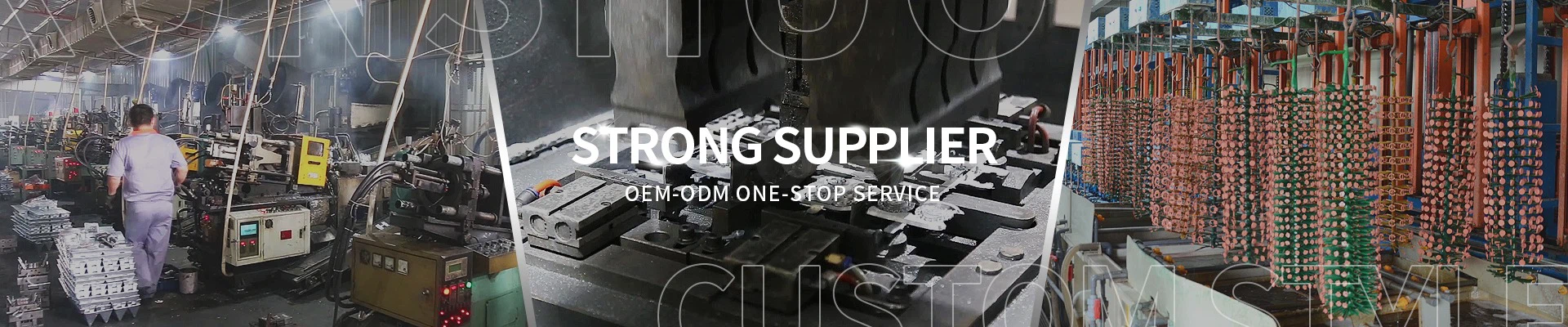
Electroplating can improve the corrosion resistance, abrasion resistance, color consistency, and surface texture of metal buttons and labels. This article introduces electroplating technology for metal buttons and labels, explaining its process principles, common surface treatment processes, and how electroplating affects product quality and brand image. If you are looking for custom metal labels and buttons for your clothing, understanding these electroplating processes can help you quickly select the right metal accessories.
What Is Electroplating?
Electroplating is a surface treatment process that uses an electrochemical reaction to deposit a thin layer of metal onto the surface of another metal. In the garment hardware industry, electroplating is widely used for accessories such as metal buttons, metal labels, rivets, snaps, and other decorative fittings.
Step-by-Step Electroplating Process for Metal Buttons and Metal Labels
1.Surface Preparation: Degreasing, Cleaning, and Pickling
Metal buttons and labels are first degreased to remove oils, lubricants, and residues left from stamping or casting. This is followed by chemical cleaning and acid pickling to eliminate oxides and surface contaminants. A perfectly clean surface ensures that the plated metal bonds evenly and prevents defects such as peeling or blistering.
2.Pre-Plating and Copper Undercoating
Metal buttons and labels are typically pre-plated, which helps eliminate minor surface imperfections and improves overall plating adhesion. It also contributes to even coloring on metal labels embossed with logos and designs.
3.Electroplating Bath and Current Control
Once pre-treated, the metal components are immersed in an electroplating bath containing dissolved metal ions, such as nickel or brass alloys. An electrical current is applied, causing metal ions to deposit evenly onto the surface of the buttons or labels. Precise control of current density, voltage, temperature, and plating time is crucial, as even slight variations can affect color consistency, thickness, and overall appearance.
4.Rinsing and Neutralization
After electroplating, the components are thoroughly rinsed to remove residual plating chemicals. Neutralization steps may follow to stabilize the surface and prevent chemical reactions that could affect long-term durability. Proper rinsing is especially important for garment accessories, as leftover residues can lead to discoloration or performance issues during washing and wear.
5.Post-Treatment: Sealing, Drying, and Surface Protection
The final stage involves post-treatment processes such as sealing, passivation, or protective top coatings. These steps enhance corrosion resistance and improve resistance to wear and environmental exposure. After drying, the electroplated metal buttons and labels undergo visual inspection and quality checks to ensure consistent finish, smooth texture, and compliance with garment industry standards.

What Is the Difference Between Rack Plating and Barrel Plating for Buttons?
Rack Plating
Rack plating involves fixing each metal button individually onto racks or fixtures before immersion in the electroplating bath. Because the buttons are securely positioned and electrically connected, the plating layer can be applied with high precision and excellent uniformity.
Rack plating minimizes surface-to-surface contact between parts, reducing the risk of scratches or impact marks. However, because it is more labor-intensive and has lower throughput, it is generally more expensive than barrel plating.
Barrel Plating
Barrel plating places large quantities of metal buttons into a rotating, perforated barrel that is partially submerged in the electroplating solution. As the barrel rotates, the buttons tumble and make intermittent electrical contact, allowing metal ions to deposit on their surfaces.
Barrel plating offers high productivity and lower unit costs, but the tumbling action can lead to slight variations in coating thickness or minor surface marks. For this reason, it is less suitable for buttons with fine decorative features.
|
Aspect |
Rack Plating |
Barrel Plating |
|
Plating method |
Buttons fixed on racks |
Buttons tumble in rotating barrel |
|
Surface protection |
Minimal contact, fewer scratches |
Contact between parts possible |
|
Finish quality |
High precision and uniformity |
Acceptable for standard use |
|
Production volume |
Low to medium |
Medium to high |
|
Cost |
Higher |
Lower |
|
Suitable button types |
Decorative, branded, complex designs |
Simple, functional designs |
Why Is Electroplating Essential for Metal Buttons and Metal Labels?
1. Enhanced Corrosion Resistance:
Electroplating creates a protective metallic layer on metal surfaces, reducing the exposure of metal buttons and tags to water, sweat, detergent, and moisture during daily wear and washing. This reduces the risk of rust, oxidation, and discoloration, contributing to the lasting shine of clothing accessories.
2. Improved Abrasion and Scratch Resistance:
Electroplating increases surface hardness and abrasion resistance, minimizing scratches and surface damage. This is especially beneficial for metal buttons on jeans, jackets, and workwear.
3. Consistent Color and Surface Uniformity:
Compared to painting and spraying, electroplating allows manufacturers to achieve consistency in color, shine, and texture in mass production. This ensures overall color harmony in garments.
4. Enhanced Decorative Effects and Finish Options:
Electroplating offers a wide range of decorative surface finishes, from polished nickel and matte black to antique brass and gunmetal gray. This design flexibility makes electroplating a preferred process for custom clothing hardware.


Understanding electroplating technology helps in selecting the right surface treatment process, supplier, and production method. If you are looking for electroplated metal buttons or labels that can be customized to your garment designs, our team offers one-stop OEM and ODM garment accessories solutions.
Contact us today and tell us your ideas or designs for a series of metal buttons and labels; we will provide you with a one-on-one customization solution.


