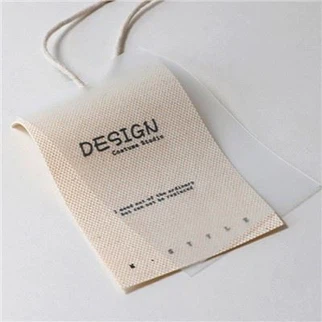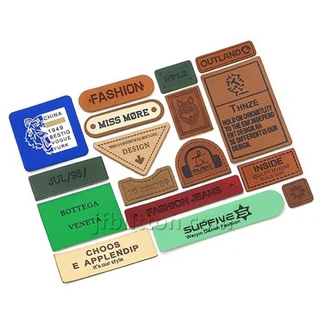
Woven labels may be small, but they are an indispensable part of all types of clothing. Different types of garments use different folding methods for woven labels. For example, T-shirt neck labels commonly use center folding, jackets often use end folding, and hang tags typically use diagonal folding. Each folding method affects the label's appearance, feel, and sewing results. This article will guide you through the most common folding methods, their uses, and how to choose the right folding method for your products.
Woven Label Fold Types
Below are the most common woven label fold types you'll see in apparel and accessories. Each fold offers a different look, feel, and sewing method, so choosing the right one helps your label sit naturally on the garment and feel comfortable for the wearer.
1. Center Fold
A center fold label is folded in half like a small "book." It's commonly used for neck labels, brand labels, and size labels. The design usually places the logo on the front and washing or size info inside.
2. End Fold
End fold labels have both ends folded back, creating smooth edges on the left and right. This type is ideal when you want the label to sit flat without visible stitching on the front.
3. Mitre Fold
Mitre fold labels have the two bottom corners folded upward at a 45° angle, creating small "legs" that allow the label to hang. This makes it perfect for hems, side seams, and accessories.
4. Manhattan Fold
A Manhattan fold label has a top fold plus an additional inside fold, creating a clean, enclosed edge at the bottom. It gives the label a refined, high-fashion look.
5. Straight Cut
Straight cut labels have no fold at all. They are simply heat-cut or laser-cut on all edges. This type is ideal when you need the label sewn all around or attached as a patch.
6. Long Fold / Loop Fold Extension
This fold extends the bottom or top portion to create a longer loop, often used for care labels or multi-information labels.
7. Custom-Shaped Fold
Some brands use custom folds or die-cut shapes to create a unique label silhouette. This type helps the label stand out and become part of the product's visual identity.

How to choose the right fold type for different garments
Choosing the right fold type depends on the garment's fabric, placement, brand style, and how the label will be used. The right choice helps the label sit smoothly, feel comfortable on skin, and match the overall design of the product.
1.For T-Shirts & Knitwear
T-shirts and knitwear often use soft fabrics, so comfort is key. Center fold labels are gentle on the skin, while end fold labels give a clean, premium look.
2.For Jackets, Coats & Outerwear
Outerwear usually has structured fabric, so labels should lie flat and look polished. End fold and Manhattan fold both hide stitching and enhance the premium feel.
3.For Streetwear, Hoodies & Casualwear
Streetwear often highlights brand identity through hem tags and side tabs. Mitre fold allows the label to "hang," creating a bold branding effect.
4.For Sportswear & Activewear
Sportswear often prioritizes comfort and lightweight construction. Center folds are soft, while straight cut labels can be heat-pressed or stitched for secure placement.
|
Fold Type |
Description |
Recommended Garments |
Advantages |
Key Considerations |
|
Center Fold |
Folded in half like a small book; logo on front, info inside |
T-shirts, knitwear, kidswear, casualwear |
Soft edges, comfortable on skin, easy to sew |
Limited visible branding space, best for neck labels |
|
End Fold |
Both ends folded back to create smooth edges |
Jackets, coats, luxury garments |
Hides stitching, premium look |
Slightly thicker edges, requires precise sewing |
|
Mitre Fold |
Bottom corners folded diagonally to create "legs" for hanging |
Streetwear, hoodies, jeans, hats, bags |
Creates hanging effect, strong brand identity |
Needs accurate alignment, may require extra sewing |
|
Manhattan Fold |
Top fold with additional inside fold for fully enclosed bottom edge |
Designer garments, premium outerwear |
Clean, refined edges, no exposed threads |
More complex to produce, slightly higher cost |
|
Straight Cut |
No folds; edges heat-cut or laser-cut |
Denim, pants, uniforms, bags |
Precise edges, versatile placement |
Less soft against skin, may fray if not sealed |
|
Long Fold / Loop Fold |
Extended top or bottom fold to create longer loop |
Care labels, detail tags, kidswear |
Accommodates extra text or multiple sections |
Slightly bulkier, requires careful measurement |
|
Custom-Shaped Fold |
Unique fold or die-cut shape for brand identity |
Special editions, luxury brands, accessories |
Highly distinctive, enhances branding |
Higher production cost, requires specialized die or cutting |
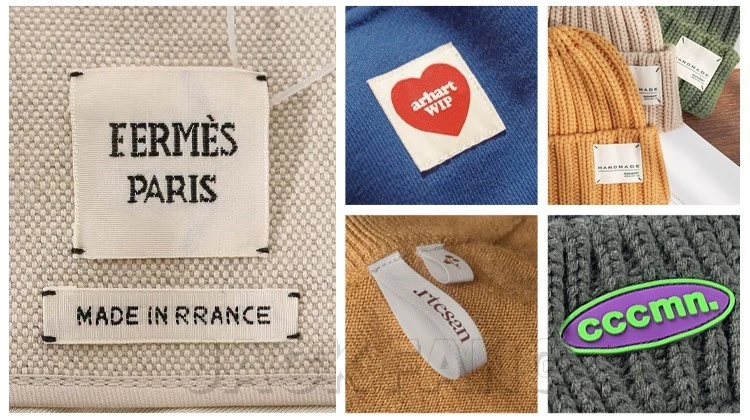
From soft center folds for T-shirts to refined Manhattan folds for premium outerwear, each fold type has its ideal application and benefits. By understanding the options, you can ensure that your labels are comfortable, durable, and perfectly aligned with your brand identity.
We specializes in producing high-quality woven labels with a variety of fold types. We can accommodate custom designs, logo embroidery, and different color threads. After folding, labels undergo finishing processes such as heat-sealing, edge trimming, or softening treatments to ensure they are durable, smooth, and ready for sewing.
If you wish to find the most suitable webbing folding method for your product, share your requirements with us immediately. We will provide you with a customized solution within 24 hours.