Choosing the right bag closure is more important than many designers and buyers realize. A closure not only secures the contents of a bag but also influences its appearance, user experience, durability, and overall brand value. Whether you're designing a luxury handbag, backpack, wallet, cosmetic pouch, or travel bag, selecting the appropriate closure can improve both product functionality and customer satisfaction.
With so many options available-including zippers, magnetic snaps, snap buttons, buckles, turn locks, drawstrings, and clasps-it can be difficult to determine which solution best fits your product. Each closure type offers unique advantages in terms of security, aesthetics, cost, and ease of installation.
In this guide, we'll explain the 10 most common bag closure types, compare their features, and provide practical tips for choosing the right option based on your bag style and application. As an experienced OEM & ODM bag hardware manufacturer, Kunshuo also shares expert recommendations and customization insights to help brands, designers, and manufacturers source high-quality bag closures with confidence.
If you are sourcing premium metal locks, magnetic snaps, or buckles for your next collection, click below to Download our 2026 Handbag Hardware Technical Spec Sheets or request a free physical sample pack.
10 Common Bag Closure Types
Bag closure methods come in a wide variety, each offering distinct advantages in terms of security, ease of use, and design aesthetics. Below are 12 closure types commonly used in handbags, backpacks, packaging bags, and specialty accessories.
1. Zipper Closure

Zippers are the most versatile and widely used closure system for bags and pouches. They are available with metal, nylon, or plastic teeth. This design offers smooth, secure, and adjustable closure, commonly used in backpacks, handbags, luggage, and cosmetic cases.
Zippers vary in size, material, and durability. Options range from lightweight nylon spiral zippers for small accessories to heavy-duty metal zippers engineered for luggage and outdoor gear. Additionally, specialized zippers exist, such as waterproof zippers, designed for storm-resistant bags and outdoor equipment.
| Advantages | Best Applications | OEM Customization |
|
|
|
Kunshuo Factory Tip: Pair custom zipper pullers with matching metal labels or snap buttons to create a consistent brand identity.
2. Magnetic Snap Closure
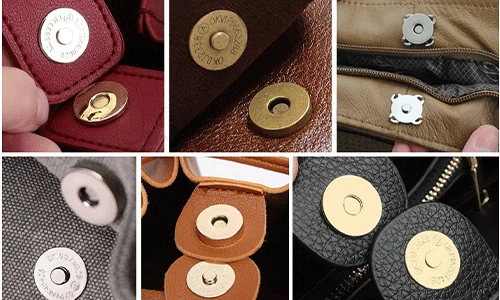
Magnetic snap closures consist of two metal components with built-in magnets. When the flap is lowered, the magnets naturally attract each other and lock into place. This closure method offers convenient use and provides a clean appearance for bags. This fastener is particularly suitable for handbags, clutches, totes, and wallets that require one-handed operation.
The magnetic strength can be adjusted to meet the needs of smaller wallets or larger bags requiring stronger magnetic force.
| Advantages | Best Applications | OEM Customization |
|
|
|
KS Factory Tip: For premium leather bags, zinc alloy magnetic snaps with PVD coating provide superior durability and long-lasting color.
3. Turn Lock Closures
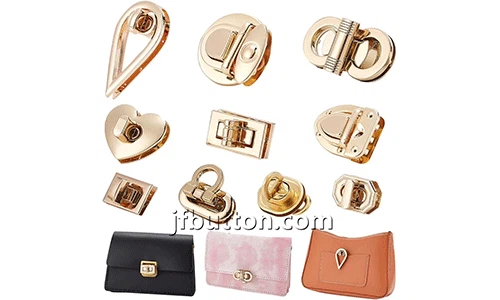
Rotary buckles combine practicality with a stylish aesthetic, commonly found on handbags, briefcases, and high-end purses. The mechanism works by inserting a metal rod into a groove on the flap, then rotating the buckle to secure the bag. It offers greater security than simple snap or magnetic closures, while its polished metal hardware often elevates the bag's overall quality.
| Advantages | Best Applications | OEM Customization |
|
|
|
KS Factory Tip: Turn locks are one of the most popular choices for luxury brands looking to combine functionality with sophisticated styling.
4. Buckle Closure

Buckle closures are durable and long-lasting, typically featuring a metal or plastic frame with a clasp that secures the bag opening by threading through shoulder strap loops. Offering a secure, reliable, and adjustable closure, buckle closures are ideal for backpacks, messenger bags, tool bags, and outdoor gear bags.
| Advantages | Best Applications | OEM Customization |
|
|
|
KS Factory Tip: Solid metal buckles enhance the durability of premium leather products and create a timeless look.
5. Side-Release Buckle

These buckles consist of two interlocking male wings and a female socket; pressing the sides releases the buckle instantly. Side-release buckles are commonly used on hiking backpacks, tactical bags, travel packs, and sports equipment due to their ease of use and reliability under heavy loads. Their lightweight construction, often in high-strength plastic or metal, makes them suitable for adjustable straps on outdoor or sports-oriented bags.
6. Drawstring closures
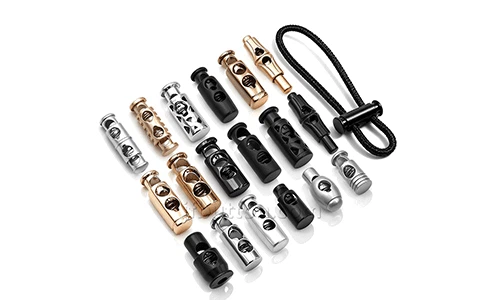
Drawstring closures are simple yet versatile. They consist of a cord threaded through a channel at the bag's opening, which can be pulled tight and secured using a cord lock. This closure is particularly popular in gym bags, storage pouches, bucket bags, and casual backpacks. Drawstrings are often chosen for their low-cost production, ease of use, and flexibility, especially in lightweight or collapsible bags. The cord can be made from various materials, including cotton, nylon, or leather, and different stopper mechanisms allow for added security and convenience.
| Advantages | Best Applications | OEM Customization |
|
Simple construction Lightweight Low manufacturing cost Adjustable opening size |
Sports bags Gym sacks Gift bags Storage bags Outdoor backpacks |
Metal cord ends Decorative eyelets Custom drawstring colors Branded cord locks |
KS Factory Tip: Premium metal cord ends can significantly improve the appearance of fabric drawstring bags.
7. Snap button closures
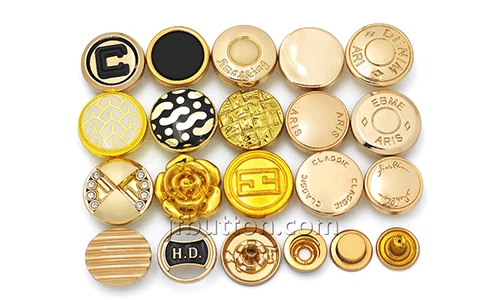
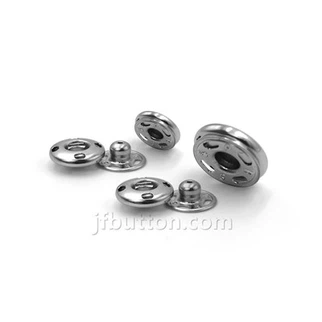
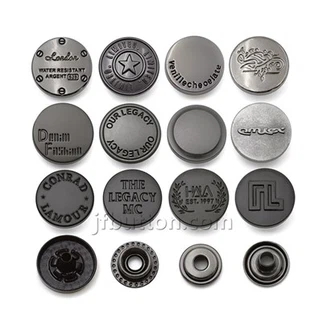
Snap button closures, or press studs, rely on a stud-and-socket system that locks together through spring tension. These closures are compact, durable, and easy to install, making them suitable for inner compartments, lightweight handbags, small pouches, and wallets. Snap buttons are valued not only for their functionality but also for their ability to add subtle design details, with decorative caps available in various finishes, colors, and patterns.
| Advantages | Best Applications | OEM Customization |
|
|
|
KS Factory Tip: High-quality snap buttons with precise spring tension improve durability and deliver a smoother user experience.
8. Velcro closures
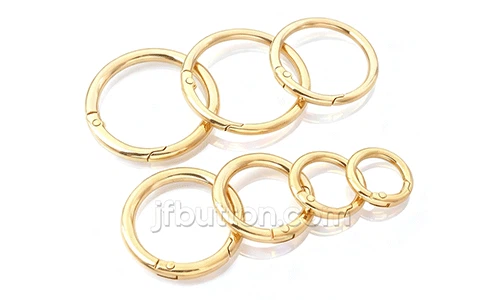
Velcro closures, also known as hook-and-loop fasteners, consist of one side with tiny hooks and another with loops. Pressing the two together creates an instant, adjustable closure that can be repeatedly opened and closed. Velcro is widely used in children's bags, reusable packaging, sports bags, and casual accessories. While it is less visually refined than snaps or buckles, it provides unmatched convenience and speed, especially in situations where frequent access is needed.
9. Kiss-lock clasps
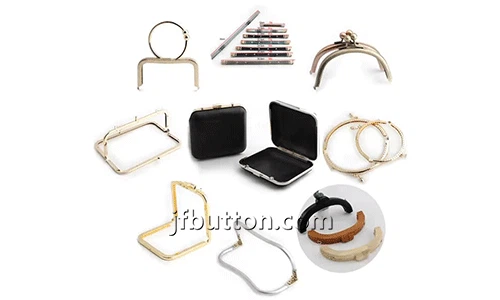
The kiss lock frame is a classic, vintage-inspired closure commonly found on evening bags, coin purses, and retro-style handbags. It features a rigid metal frame with two rounded knobs at the top; pressing the knobs apart opens the bag, while pushing them together locks it securely.
10. Toggle closures

Toggle closures use a bar-shaped piece that slides through a loop or cord to keep the bag closed. This system is often seen on canvas bags, nautical-style totes, and children's bags, providing both decorative appeal and functional security. Toggles work particularly well with thicker materials where other closures might be impractical, offering a straightforward mechanism that can be adjusted for tension and accessibility.
How to Choose the Right Bag Closure
Selecting the right closure for a bag is more than a matter of aesthetics-it directly impacts security, usability, durability, and overall user satisfaction. When deciding on a closure mechanism for handbags, backpacks, or casual totes, there are several critical factors to consider.
1. The first consideration is security. Some closures, like zippers, turn locks, and smart locks, offer high protection for valuable items, while magnetic snaps or toggle closures provide easier access but less tamper resistance. If the bag is designed for travel or carries expensive items, a more secure closure is essential. For casual or lightweight bags, convenience may outweigh maximum security, allowing for options like snap buttons or drawstrings.
2. Next is ease of use. Closures should match the user's lifestyle and expectations. Busy commuters or parents managing multiple tasks may prefer magnetic snaps, side-release buckles, or Velcro, which can be opened quickly with one hand. Outdoor enthusiasts might favor drawstrings or buckle systems that are simple to operate even while wearing gloves. The ideal closure balances accessibility with functional reliability.
3. Durability and load capacity also guide the decision. Buckles, zippers, and turn locks are ideal for bags that carry heavier loads, while lightweight closures such as snaps or toggles suit smaller handbags or pouches. High-traffic bags, such as school backpacks or daily commuter bags, benefit from reinforced metal hardware or high-quality zippers that withstand repeated opening and closing over time.
Get a customized bag closure solution
Choosing the right bag closure is a critical decision that affects not only a bag's functionality but also its aesthetic appeal and user experience. From traditional zippers and buckles to innovative magnetic snaps, smart locks, and silicone-enhanced closures, each mechanism offers unique advantages tailored to different bag types, materials, and user needs. Understanding the balance between security, ease of use, durability, and design ensures that every bag performs reliably while meeting consumer expectations.
If you're looking to source high-quality bag closures, explore customization options, or learn more about matching the perfect closure to your bag designs, don't wait-contact our team today for a consultation, sample request, or quote. Let us help you create bags that stand out in both function and style.