Choosing the right hijab pin is essential for security and fabric care. The 7 main types include Magnetic Pins (damage-free), Snag-free Safety Pins, Straight Pins (versatile), Stick Pins, Decorative Brooches, Plastic-headed Pins, and Bobby Pins. For delicate fabrics like silk or chiffon, magnetic pins are the best choice to avoid holes, while safety pins offer the most secure hold for active wear.
Do you know the different types of hijab pins? This article introduces seven common types of hijab pins, explaining the characteristics of each and their best uses on different fabrics.
The 7 Types of Hijab Pins
1. Straight Pins: The most classic and affordable type of hijab pin - a slim, straight metal pin with a round head (often plastic or pearl).
- Advantages: Affordable, easy to find, available in multiple colors.
- Cons: Can pierce or damage fabrics like chiffon or silk; requires careful handling.
2. Safety Pins: A spring-loaded pin with a locking clasp that prevents accidental pricks and holds thicker fabrics securely.
- Advantages: Secure, reusable, rust-resistant versions available.
- Cons: Can cause holes or tears if fabric gets caught in the clasp; not ideal for delicate scarves.
3. Magnetic Hijab Pins: Two small magnetized discs that hold fabric in place without piercing it, often covered with decorative metal or resin tops.
- Advantages: No holes, no damage, strong grip, elegant design options.
- Cons: Can slip if magnets are weak; more expensive than traditional pins.
4. Decorative Brooch Pins: A decorative fastener with a pin and clasp mechanism, often adorned with pearls, gems, or metal motifs.
- Advantages: Adds luxury appeal and can replace jewelry; available in custom metal finishes.
- Cons: Can be heavier; not ideal for light fabrics.
5. Stick Pins (Turkish Pins): Long slender pins with a cap or stopper, often used in Turkish or formal hijab style
- Advantages: Provides a clean, polished look; good for structured wraps.
- Cons: Requires precision; can slip if not properly secured; may puncture fine fabrics.
6. Clip Pins (Hijab Clips or Snap Pins): Small clips (like mini hair clips) designed to fasten hijabs without piercing fabric.
- Advantages: Easy to use, fabric-safe, ideal for quick fixes.
- Cons: May slip on smooth fabrics
7. No-Snag Hijab Pin (Covered Coil Pin): A small, rounded pin with a plastic or silicone cover around the needle's end, preventing the pin from catching or tearing fabric.
- Advantages: Gentle on fabric, easy to use, ideal for everyday wear.
- Cons: May loosen after repeated use.


| Pin Type | Fabric Friendly | Security | Decorative | Cost | OEM Available |
|---|---|---|---|---|---|
| Straight Pin | ⭐⭐⭐ | ⭐⭐⭐⭐ | ⭐⭐ | $ | ✔ |
| Safety Pin | ⭐⭐⭐ | ⭐⭐⭐⭐⭐ | ⭐⭐ | $ | ✔ |
| Magnetic Pin | ⭐⭐⭐⭐⭐ | ⭐⭐⭐⭐ | ⭐⭐⭐⭐⭐ | $$ | ✔ |
| Stick Pin | ⭐⭐⭐ | ⭐⭐⭐ | ⭐⭐⭐⭐ | $$ | ✔ |
| Decorative Brooch | ⭐⭐⭐⭐ | ⭐⭐⭐ | ⭐⭐⭐⭐⭐ | $$$ | ✔ |
| Clip Pin | ⭐⭐⭐⭐ | ⭐⭐⭐ | ⭐⭐⭐ | $$ | ✔ |
| No-Snag Pin | ⭐⭐⭐⭐⭐ | ⭐⭐⭐⭐ | ⭐⭐⭐ | $$ | ✔ |
How to Choose the Right Pin for Every Fabric
The right hijab pin isn't just about style - it's about protecting your fabric, maintaining a secure hold, and enhancing comfort throughout the day. Each fabric behaves differently, and choosing the right pin ensures your hijab drapes beautifully without damage or slipping.
|
Fabric Type |
Best Pin Type |
Pins to Avoid |
Tips / Notes |
|
Chiffon |
Magnetic, No-Snag |
Safety, Sharp Pins |
Prevent tearing; choose lightweight magnets with smooth finish. |
|
Silk / Satin |
Magnetic, Hijab Clip |
Straight, Brooch Pins |
Avoid visible holes; gold-plated or resin-coated magnets reduce rust marks. |
|
Jersey / Cotton |
Safety, Straight Pins |
Magnetic Pins |
Holds folds securely; use rust-proof or stainless steel pins. |
|
Viscose / Linen |
Stick Pins, Brooch Pins |
Magnetic Pins |
Textured fabrics hold decorative pins well; smooth-tipped stick pins prevent thread pulls. |
|
Polyester / Mixed |
Any Pin Type |
None specific |
Versatile; test on an inner corner first to avoid marks. |
|
Wool / Pashmina |
Safety Pins, Brooch Pins |
Stick Pins |
Secure heavier fabrics; consider double-layer fastening for stability. |
OEM & Private Label Customization Options for Hijab Pins
Every fashion brand has unique design requirements, which is why OEM and private label customization have become increasingly important in the modest fashion industry. At KS, we provide comprehensive customization services to help brands, wholesalers, distributors, and retailers create exclusive hijab pins that reflect their identity while meeting market demands.
Custom Materials
The material of a hijab pin directly affects its appearance, durability, and user experience. We offer a wide range of materials to suit different product positioning and budgets, including stainless steel, brass, zinc alloy, iron, and aluminum. Whether you need lightweight pins for daily wear or premium metal pins for luxury collections, our engineering team can recommend the most suitable material.
Custom Colors & Surface Finishes
A high-quality finish enhances both the beauty and corrosion resistance of hijab pins. We support a variety of electroplating and coating options, including gold, rose gold, silver, black nickel, gunmetal, antique brass, matte black, and PVD coating. Custom Pantone-inspired colors and nickel-free finishes are also available to meet international market requirements.
Custom Shapes & Decorative Designs
Beyond standard designs, we can manufacture hijab pins in custom shapes to match your brand style. Decorative elements such as pearls, rhinestones, crystals, enamel, charms, floral patterns, stars, moons, and geometric motifs can be incorporated to create distinctive products for seasonal collections or premium fashion lines.
Custom Logo & Branding
Private labeling helps your products stand out in a competitive market. Your logo can be applied through laser engraving, embossing, debossing, or custom logo charms, creating a professional appearance while strengthening brand recognition. We also support exclusive mold development for completely customized designs.
Custom Sizes
Different hijab fabrics and wearing styles require different pin sizes. We offer fully customized dimensions, including pin length, needle diameter, head size, magnetic strength (for magnetic hijab pins), and decorative element size, ensuring each product meets your functional and aesthetic requirements.
Private Label Packaging
Packaging is an important part of the customer experience. We provide a variety of packaging solutions, including custom backing cards, retail blister packs, velvet pouches, gift boxes, paper boxes, poly bags, and bulk packaging. Branded packaging can enhance your product presentation and improve retail value.
Flexible OEM Production
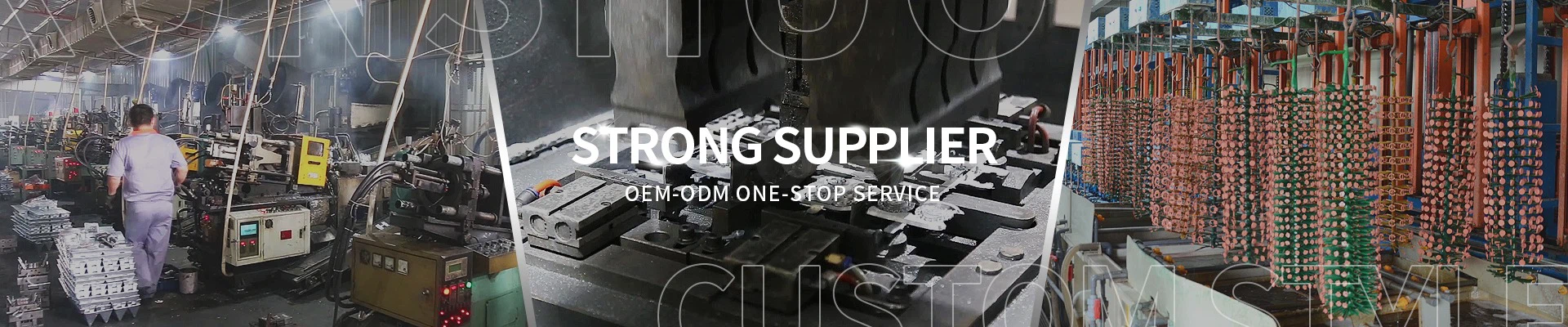
Whether you're launching a new modest fashion brand or expanding an existing product line, KS offers flexible manufacturing solutions with low MOQs, fast sampling, efficient production scheduling, and strict quality control. Our experienced OEM & ODM team works closely with customers from product development to mass production, ensuring every order meets your quality standards and delivery schedule.
Need custom hijab pins for your brand? Simply share your design, logo, sample, or concept with us, and our engineering team will provide professional recommendations, rapid sampling, and a competitive quotation to help bring your ideas to market.
Choosing the right hijab pin ensures style, comfort, and fabric protection for every occasion. Explore our full range of pins and accessories to find your perfect match - shop now or request a wholesale sample today.
FAQ
Q: 1. What is the best type of hijab pin for delicate fabrics?
A: Magnetic hijab pins are generally the best choice for delicate fabrics such as chiffon, silk, satin, and georgette because they secure the hijab without piercing or damaging the material. They help maintain the fabric's appearance while providing a comfortable wearing experience.
Q: 2. Which hijab pin is most suitable for everyday use?
A: For daily wear, magnetic hijab pins and safety pins are the most popular options. Magnetic pins offer quick fastening without leaving holes, while safety pins provide a secure hold for active lifestyles and thicker fabrics.
Q: 3. Can hijab pins be customized with my brand logo?
A: Yes. We offer complete OEM and private label services, including custom logo engraving, embossing, laser marking, custom molds, branded packaging, and personalized product designs. These options help fashion brands create unique products that strengthen brand recognition.
Q: 4. What materials are commonly used for hijab pins?
A: Hijab pins can be manufactured from several materials, including stainless steel, brass, zinc alloy, iron, and aluminum. The best material depends on your target market, product positioning, and budget. Stainless steel and brass are often preferred for their excellent corrosion resistance and durability.
Q: 5. What surface finishes are available?
A: We offer a wide range of surface finishes, including gold, rose gold, silver, black nickel, gunmetal, antique brass, matte black, and PVD coatings. Nickel-free finishes are also available to meet international market requirements.
Q: 6. What is the minimum order quantity (MOQ) for custom hijab pins?
A: The MOQ depends on the product design, material, and customization requirements. Standard designs usually require lower minimum quantities, while completely custom molds may require higher MOQs. Please contact us with your project details for a customized quotation.
Q: 7. Do you provide free samples?
A: Yes. Standard product samples are available for quality evaluation. For customized samples, costs may vary depending on mold development and production requirements. Our sales team will recommend the most suitable sampling solution based on your project.
Q: 8. How long does production take?
A: Production time varies according to the order quantity and customization complexity. Sample production generally takes around 7–10 working days, while mass production typically requires 20–35 days after sample approval.
Q: 9. Can I customize the packaging?
A: Absolutely. We offer various private label packaging options, including branded backing cards, gift boxes, velvet pouches, retail packaging, barcode labels, and bulk packaging to match your branding requirements.
Q: 10. Which hijab pin is best for luxury fashion brands?
A: Luxury brands often prefer magnetic hijab pins, decorative brooch pins, and crystal-embellished stick pins because they combine premium aesthetics with excellent functionality. Custom plating and branded packaging further enhance product value.
Q: 11. Are your hijab pins rust-resistant?
A: Yes. Our premium hijab pins can be manufactured using stainless steel or high-quality zinc alloy with advanced electroplating or PVD coatings to improve corrosion resistance and maintain their appearance over time.
Q: 12. Can you manufacture hijab pins based on my design or sample?
A: Yes. Our OEM & ODM services allow us to manufacture products according to your drawings, physical samples, or design concepts. Our engineering team will assist with product development, mold making, and mass production.
Q: 13. How do you ensure product quality?
A: Every production batch undergoes strict quality inspections, including raw material verification, dimensional inspection, polishing inspection, plating quality checks, appearance inspection, and packaging inspection. Additional tests such as salt spray testing and magnetic force testing can also be arranged according to customer requirements.
Q: 14. Which countries do you export to?
A: Our hijab pins are exported to customers worldwide, including the Middle East, Southeast Asia, Europe, North America, and other international markets. We have extensive experience supporting fashion brands, wholesalers, importers, and distributors with OEM manufacturing services.
Q: 15. Why choose Kunshuo as your hijab pin manufacturer?
A: With over 18 years of manufacturing experience, Kunshuo specializes in producing high-quality custom fashion accessories for global brands. We provide one-stop OEM & ODM services, professional engineering support, flexible customization options, strict quality control, competitive factory pricing, low MOQs, and reliable worldwide delivery. Whether you need standard hijab pins or fully customized private label products, we are committed to helping you build a successful product line with confidence.