

When it comes to apparel detailing, a shank button is more than just a fastener; it's an expression of design, durability and brand identity. Commonly found on jackets, blazers, shirts and accessories, shank buttons feature a small loop ("shank") on the back, rather than an exposed hole, which raises the button slightly above the fabric. This creates a clean, elegant look, especially for thicker or layered fabrics. Whether you're a fashion designer, brand developer or seamstress, knowing the difference between shank buttons in different materials can help you make more informed choices for your garments.
Common material of shank button
1.Metal Shank Buttons
Common metal shank buttons are zinc alloy, brass, stainless steel, which have strong durability and can be applied with some thicker fabrics. Metal shank buttons also have excellent plasticity and can be customized with different shapes and textures, suitable for different styles of brands.
Features:
1. Higher cost
2. Heavy weight
3. Need to be treated with rust prevention
Usage: coat, jacket, shawl, windbreaker, suit jacket, uniform, ceremonial clothing
2.Plastic Shank Button
plastic shank button is usually made of ABS or polyester resin, which can be made into different surface effects, such as pearl, marble, transparent, etc. Special materials can also be added to make sequins or glow-in-the-dark effects.
Features:
1. Lightweight, suitable for thin fabrics
2. Cheap, suitable for mass production
3. Durability in general, long-term in the ultraviolet light will fade
Uses: children's clothing, silk shirts, cotton dresses, costume jewelry, handbags, wigs
3.Pearl Shank Buttons
Real Pearl Buttons are made of natural freshwater or saltwater pearls or mother-of-pearl (shell pearl layer), exquisite and elegant appearance, commonly used in women's clothing, available in different sizes or shaped.
Features:
1. Skin-friendly, smooth texture
2. Fragile, easily broken
3. Expensive
Uses: wedding dresses, veils, formal shirts, women's shirts, bags, hats, gloves
4.Specialty Materials: Wood, Glass, Shell & More
Wooden shank buttons are often used in eco-friendly brand products, which are biodegradable and environmentally friendly, but are prone to mold in humid environments and need moisture-proof treatment.
Glass shank buttons have a shiny surface and can be decorated with foil or sequins. The glass material is fragile and cannot be machine washed, so it needs special protection. Commonly used in some retro style performance costumes.
Shell shank buttons are made from the iridescent inner layer of mollusk shells, presenting a unique texture and natural glossy appearance. Commonly used for shirts or beach style clothing.
Other shank button materials: Horn, Bone, Ceramic, Fabric-covered
Different Material Button


Manufacturing Processes Behind Shank Buttons
1.Die Casting & Stamping
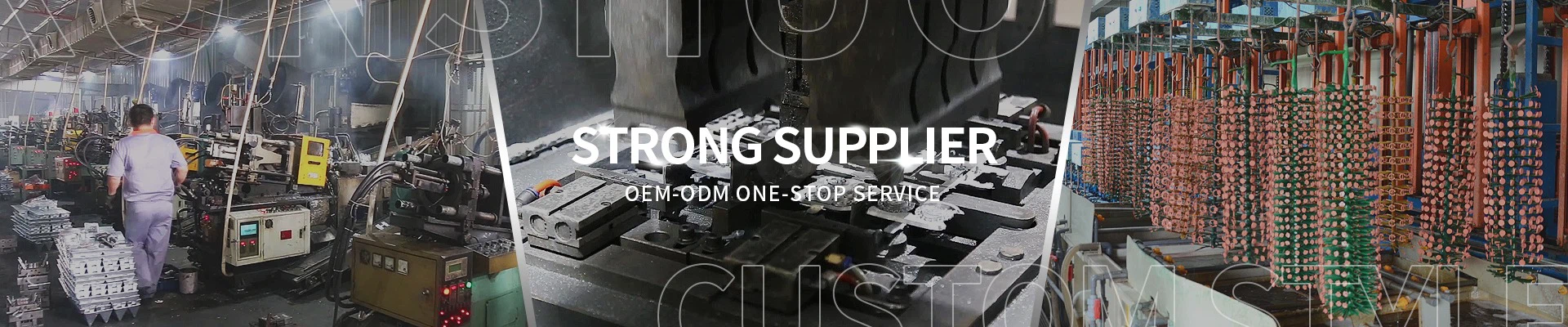
Molten metal is injected into a mold under high pressure, die-cast, and then polished, plated (e.g., bronze, nickel, gold), enamel-filled, or laser-engraved to achieve different effects. (For metal buttons)
2. Injection Molding
Thermoplastic particles (ABS, polyester resin, acrylic) are melted and injected into the mold and cooled. Fast production and low cost. (Commonly used for plastic buttons)
Buttons with shanks may be small in size, but their material, shape and workmanship reflect the quality, functionality and brand image of the garment. Whether you are designing a high-end blazer, launching an eco-friendly clothing line, or creating a customized wedding dress, the choice of material for your shank buttons can take the finished product from ordinary to extraordinary.
Contact us for an OEM/ODM customization solution to create a unique shank button tailored to your style.


