

Today's consumers are more focused on supply chain transparency than ever before. According to the latest industry report from the Ellen MacArthur Foundation, brands capable of providing complete material traceability enjoy a 40% higher rate of customer loyalty compared to their peers.
In this guide, we will delve into how-by selecting metal labels that comply with international environmental standards-you can help your brand establish a firm foothold within a complex global regulatory landscape. From the rigorous testing protocols of OEKO-TEX® to the Digital Product Passport (DPP) set to become mandatory in 2026, we will uncover the "green secrets" behind high-quality accessories.
As of today in 2026, the rules governing the fashion industry have undergone a fundamental transformation. While just a few years ago, environmental sustainability was merely a "bonus feature" for brand marketing, the full implementation of the EU's Ecodesign for Sustainable Products Regulation (ESPR) has officially elevated it to the status of a mandatory "ticket of admission" for accessing the global market.
July 2026: The Digital Product Passport (DPP) Countdown
According to the latest requirements from the European Commission, by July 2026, all textile products entering the European market must be equipped with a Digital Product Passport (DPP). This mandates that every garment and every bag requires a scannable authentication tag-a digital identity-that records its material origins, chemical composition, and recycling pathways.
For brands, this is no longer a matter of simple "voluntary disclosure," but rather a legal imperative. And within this digitized compliance ecosystem, metal labels are playing an unexpectedly pivotal role.
Metal Labels: The "Permanent Physical Carrier" for DPPs
Why are top brands in 2026 increasingly integrating Digital Product Passport (DPP) access points-such as QR codes or NFC chips-onto metal labels, rather than relying on traditional care labels or hangtags?
Extreme Durability (Data Longevity): A core requirement of the DPP is that product information must remain legible throughout the product's entire lifecycle. While fabric labels may fade or become illegible after repeated washing, laser-engraved metal QR codes can withstand thousands of cycles of abrasion and washing, ensuring that a garment's identity information remains clearly legible even as it enters the secondary market or a recycling facility.
Convergence of the Physical and Digital: Modern metal labels serve not only as carriers for exquisite brand logos but can also embed dynamic QR codes using high-precision laser technology. This technology allows brands to update backend compliance data or care instructions in real-time, without the need to replace the physical hardware itself.
High-Tech Automated Sorting: In modern recycling facilities of 2026, metal labelsintegrated with RFID or Near Field Communication (NFC) technology can be rapidly identified by automated sorting systems. This "contactless" method of data retrieval significantly boosts the efficiency and purity of textile recycling processes.
Mitigating "Greenwashing" Risks
As regulatory scrutiny intensifies, simply claiming to "use recycled materials" is no longer sufficient to satisfy auditors. Kunshuo offers GRS (Global Recycled Standard)-compliant metal labels that, through their embedded digital authentication, provide brands with an immutable chain of evidence regarding their supply chain-thereby effectively mitigating the legal and reputational risks associated with accusations of "greenwashing."
A Guide to Key Environmental Certifications
As we enter 2026, "green" labels are proliferating in the market; however, not every label featuring a leaf icon is truly eco-friendly. Here are the three "Gold Standards" you must understand when selecting a metal label supplier:
1. OEKO-TEX® Standard 100
For metal labels that come into direct contact with the skin (such as lingerie fasteners or denim plaques), OEKO-TEX® Standard 100 serves as the most fundamental yet rigorous certification.
Core Principle: It focuses not on whether materials are recycled, but rather on their chemical safety.
Key Focus for Metal Components: Rigorous testing for nickel release levels, as well as lead and cadmium content.
2. GRS (Global Recycled Standard)
If you claim that your products utilize "recycled metal," the GRS (Global Recycled Standard) is an essential benchmark to verify.
Core Principle: Tracing the entire lifecycle of the materials used.
Entry Threshold: Products must contain at least 20% recycled material to qualify for certification; furthermore, to utilize the official GRS hangtag, the recycled content ratio must exceed 50%.
Key Point: GRS evaluates not only the materials themselves but also the factory's social responsibility (labor rights) and environmental management practices. Choosing GRS-certified recycled zinc alloy labels from Kunshuo signifies that your supply chain meets the advanced requirements of a closed-loop circular economy.
3. REACH and RoHS
REACH Regulation: Pertains to the Registration, Evaluation, Authorization, and Restriction of Chemicals. Its primary focus is on preventing the use of Substances of Very High Concern (SVHC).
RoHS Directive: Specifically restricts the content of heavy metals in electrical and electronic equipment and related accessories-including smart metal labels integrated with NFC technology.
|
Certification Name |
Key Focus |
Suitable Applications |
Core Values |
|
OEKO-TEX |
Chemical Safety / Skin-Friendly |
Intimates & Underwear, Children's Wear |
Eliminate allergy risks and safeguard consumer health |
|
GRS |
Renewable Ingredients / Traceability |
Eco-friendly Series, Circular Design |
Verify material origins and support carbon footprint reduction |
|
REACH/RoHS |
Compliance / Non-Toxic |
Export Trade, Full Product Range |
Mitigate the risk of customs seizure, upholding legal compliance |
How to Verify Certificate Authenticity?
Verify the Factory Name: The company name listed on the certificate must exactly match the name on the supplier's business license.
Check Validity: Environmental certifications typically require an annual factory audit. You can visit the official Textile Exchange website to check a supplier's GRS status in real-time.
Review the "Scope Certificate" (SC): Ensure that the specific product categories you are sourcing (e.g., Metal Trims) are explicitly included within the scope of the certificate.
Kunshuo Tip: True sustainability is not merely a slogan. We provide our clients with a comprehensive test report for every batch of goods, ensuring that your brand remains unassailable-even in the face of the most rigorous audits.
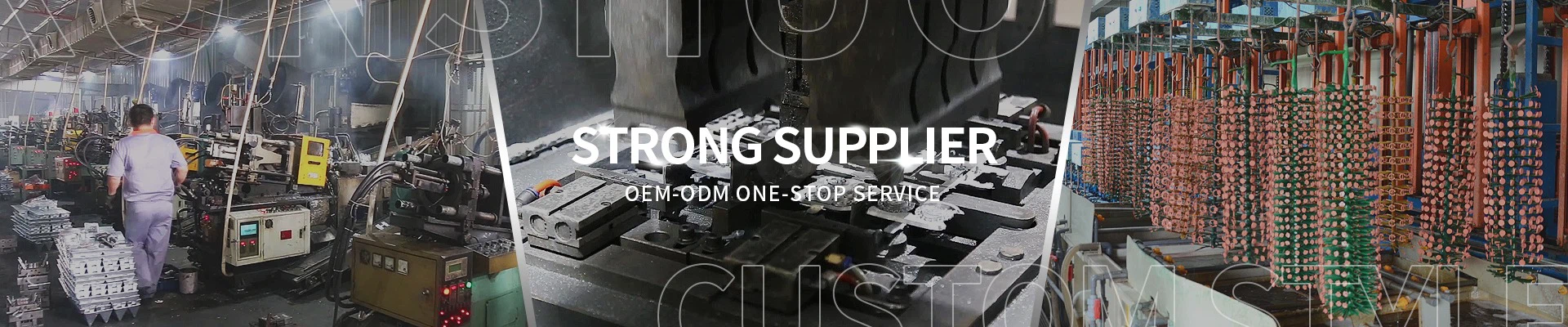
Cyanide-Free Electroplating and Water Recycling Systems
In 2026, amidst a comprehensive global upgrade in the monitoring of industrial emissions, our green electroplating processes have undergone a complete modernization.
Cyanide-Free Electroplating
For a long time, metal surface treatments-such as imitation gold and silver plating-relied heavily on highly toxic chemicals like sodium cyanide. This not only posed a significant threat to the environment but also heightened occupational health risks for workers.
Today, Kunshuo's facilities have fully adopted acidic and alkaline cyanide-free electroplating processes. This technology replaces cyanide with formulations that offer superior biodegradability, ensuring a "zero highly toxic input" approach right from the source. The metal labels produced using this process are free of heavy metal residues and fully comply with the ISO 14001 Environmental Management System and international green procurement standards.
ZLD – Zero Liquid Discharge
Our production lines integrate a Zero Liquid Discharge (ZLD) system for industrial wastewater. Utilizing reverse osmosis (RO) and multi-effect evaporation technologies, the wastewater generated during production is purified into ultra-pure water and recycled back into the electroplating tanks. Furthermore, the "water footprint" of every single metal label is monitored in real-time. Currently, thanks to these system upgrades, we have achieved a process water recovery rate exceeding 95%.
A small metal label serves as far more than just a vessel for a brand's visual identity; it acts as a tangible anchor for navigating global regulations and fostering consumer trust.
At Kunshuo, we do not merely manufacture buttons and labels. We are dedicated to leveraging technological innovation to minimize our environmental footprint, all while preserving the luxurious aesthetic and tactile quality inherent in metal materials. Whether you are seeking export solutions that comply with REACH standards or wish to integrate the latest NFC digital tracking technology into your labels, we offer comprehensive, expert-level support.
Do not let your accessories become the weak link in your sustainability strategy. Click here to contact our professional team and request our latest catalog of eco-friendly metal accessories-together, let us build a safer, more transparent, and more resilient future for fashion.
People Also Ask
Are metal labels more eco-friendly than plastic labels?
Yes. Metal labels do not contain microplastics and do not contaminate water sources during washing. Unlike plastic accessories-which are often destined for landfills-metals (such as zinc alloy and stainless steel) possess extremely high recycling value. Furthermore, they offer over five times the durability of synthetic fiber labels, aligning perfectly with the "Slow Fashion" philosophy.
Do eco-friendly electroplated metal components cause heavy metal pollution?
No. This is avoided provided you select suppliers that comply with OEKO-TEX® Standard 100 or REACH standards. Modern eco-friendly PVD coating technology ensures the stability of the metal layer without the use of harmful chemicals; consequently, no heavy metals leach out, even after hundreds of wash cycles.
Does GRS recycled metal compromise on strength?
Absolutely not. Refined recycled zinc alloy exhibits a performance difference of less than 1% compared to virgin metal in terms of tensile and torsional strength. It is fully capable of meeting the rigorous demands of high-intensity applications-such as denim and outdoor gear-making it an ideal choice for brands aiming to achieve carbon neutrality goals by 2026.
Do metal labels need to be manually removed when recycling clothing?
No longer. By 2026, modern recycling facilities will utilize infrared spectroscopy and magnetic sorting technologies to achieve automated separation. If a label incorporates a DPP (Digital Product Passport), recycling equipment can identify the garment's composition with a single one-second scan, thereby making closed-loop recycling even smarter.


