

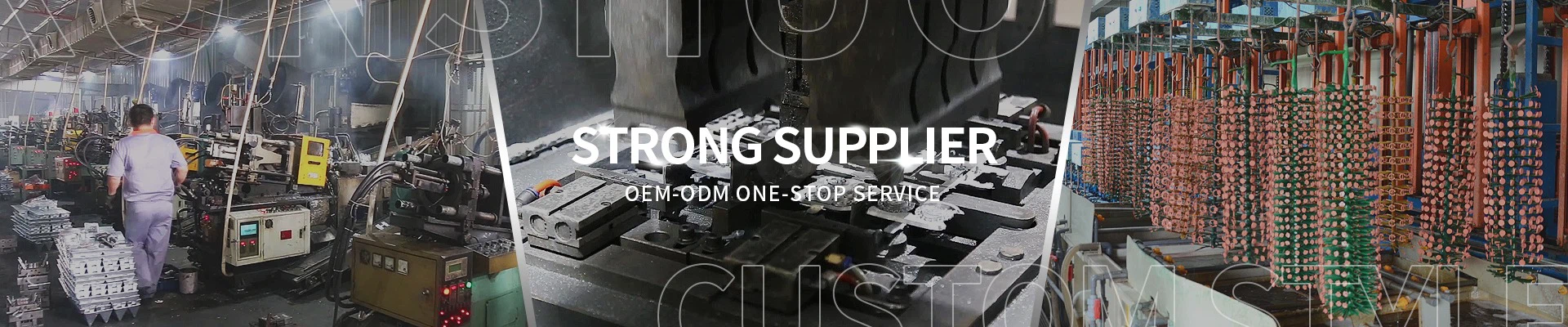
At our factory, every denim button undergoes a rigorous, multi-stage quality control process designed to meet the exacting demands of modern apparel brands as well as global compliance standards.
In this article, we invite you inside our facility to provide a detailed breakdown of this process:
Our Raw Material Inspection Process
To ensure consistency and reliability, every batch of incoming material undergoes multiple inspection steps:

1. Visual Surface Inspection
We check for:
Cracks or fractures
Oxidation or discoloration
Surface impurities
2. Material Composition Verification
We verify whether the metal composition matches required specifications using:
Supplier certification review
Random sampling checks
3. Hardness and Density Testing
We test:
Metal hardness (to ensure resistance to deformation)
Density consistency (to avoid internal defects)
Overview of the Jeans Button Production Process
A standard jeans button (tack button) goes through several key production steps:
1. Stamping / Die Casting
Metal sheets or molten alloy are shaped into button caps and tacks
High-precision molds ensure consistent form and structure
2. Polishing and Deburring
Removes sharp edges and surface irregularities
Prepares the surface for plating
3. Electroplating / Surface Finishing
Adds protective and decorative coatings (nickel, antique brass, matte black, etc.)
4. Assembly (Cap + Tack)
Final combination of components
Ensures proper fit and fastening performance
Each step is monitored in real time to prevent defects from moving forward in the process.
Dimensional Accuracy and Tolerance Control
Consistency in size and structure is essential for jeans buttons, especially when applied to automated garment production lines.
We control:
Cap diameter and thickness
Tack length and sharpness
Fit tolerance between cap and tack
Using calibrated measurement tools and gauges, we ensure that all components meet strict tolerances. This guarantees:
Smooth attachment during garment production
Stable fastening without loosening
Tooling Precision and Mold Maintenance
Molds and tooling directly affect product consistency. In our factory, we:
Perform regular mold inspections and maintenance
Replace worn tooling before defects occur
Use high-precision CNC machining for mold production
This minimizes issues such as:
Shape deformation
Size inconsistency
Surface defects
In-Process Quality Control (IPQC)
During production, our QC team conducts continuous inspections at key checkpoints:
First article inspection (FAI) before mass production
Random sampling during production runs
Process parameter monitoring (pressure, temperature, speed)
This ensures that any deviation is detected early and corrected immediately, reducing waste and maintaining efficiency.
Pull Force Testing: How Strong Should a Jeans Button Be?
Pull force testing measures the amount of force required to detach the button from denim fabric. This test ensures that buttons do not loosen or fall off during normal wear.
Buttons are attached to standard denim samples
A tensile testing machine applies increasing force until failure occurs
Results are compared against industry benchmarks: typically, a high-quality jeans button should withstand 50–100 kgf of pulling force, depending on the fabric weight
This test verifies both the cap-to-tack assembly and the tack-to-denim fastening strength.
Impact and Fatigue Resistance Testing
Jeans buttons are subjected to repeated stress from sitting, bending, and washing cycles. To ensure longevity, we conduct:
Impact testing: simulating accidental knocks or pressure
Fatigue testing: repeated fastening and unfastening cycles, often exceeding 10,000 operations
These tests confirm that the button retains its shape, fastening ability, and plating integrity over time, making it suitable for heavy-duty denim garments.
Tack Fixing Strength Test
The tack (nail) is the component that penetrates the denim fabric. Its fixing strength is critical to the overall durability:
We measure the force required to pull the tack out of the fabric
Ensures that rivet-style buttons remain securely attached even under high tension
Prevents loosening or detachment that could affect garment performance
This test is particularly important for high-stress areas like waistbands and pockets.
Real-World Simulation
To mimic actual usage, we also simulate conditions such as:
Multiple washing cycles (home and industrial laundering)
Abrasion testing on fabric surfaces
Temperature and moisture exposure
This ensures that buttons maintain structural integrity, plating quality, and color after repeated use.
In our factory, we implement a rigorous surface and plating quality control process to ensure every button meets premium standards.
Electroplating Quality Control
Electroplating provides both protective and decorative coatings for jeans buttons. Common finishes include:
Nickel plating for corrosion resistance and shine
Antique brass or bronze for a vintage look
Matte black or gunmetal for modern styles
To ensure plating quality, we check:
Thickness consistency using coating measurement tools
Adhesion strength to prevent peeling or flaking
Surface smoothness and uniformity for visual appeal
These checks guarantee that every button retains its intended finish throughout its lifecycle
Salt Spray Testing for Corrosion Resistanc
Jeans buttons are frequently exposed to moisture, sweat, and washing detergents. To simulate these conditions, we conduct salt spray tests:
Buttons are placed in a controlled saline mist environment for 24–72 hours
Any signs of corrosion or rust are carefully documented
Buttons must meet strict anti-rust standards before moving to final inspection
This ensures that even after repeated washing, buttons maintain their strength, color, and finish.
Color Consistency and Finish Inspection
For brands, visual consistency across a batch is essential. Our process includes:
Comparing each button to a color standard reference
Inspecting for uneven plating, streaks, or spots
Ensuring finishes match client specifications for matte, gloss, or antique effects
Consistency in appearance is especially important for custom or logo-branded buttons, where even minor deviations can affect brand perception.
Surface Defect Prevention
To maintain premium quality, our QC team actively monitors for:
Peeling or chipping of the coating
Scratches or dents from handling
Discoloration or oxidation before packaging
By addressing surface defects before shipment, we reduce return rates and increase customer satisfaction.
By prioritizing precision, testing, and quality at every stage, we help our clients deliver denim products that meet the highest standards. Whether you are sourcing standard tack buttons or customized logo buttons, our factory ensures each product is built to last and ready for the global market.
For more insights on denim hardware standards and quality testing, you can explore resources such as [JF Button]
Ready to source premium jeans buttons for your brand? Contact us today to discuss custom OEM/ODM solutions


