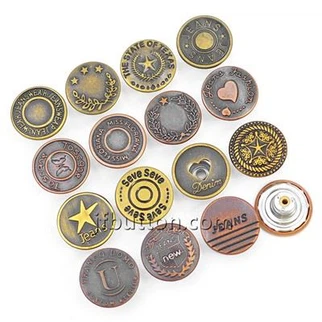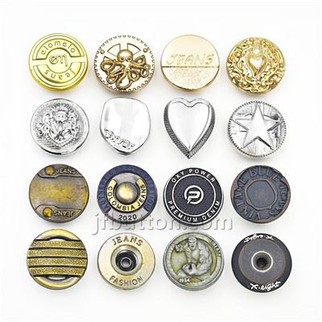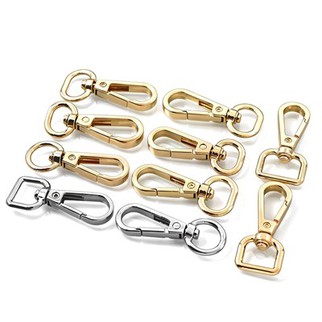
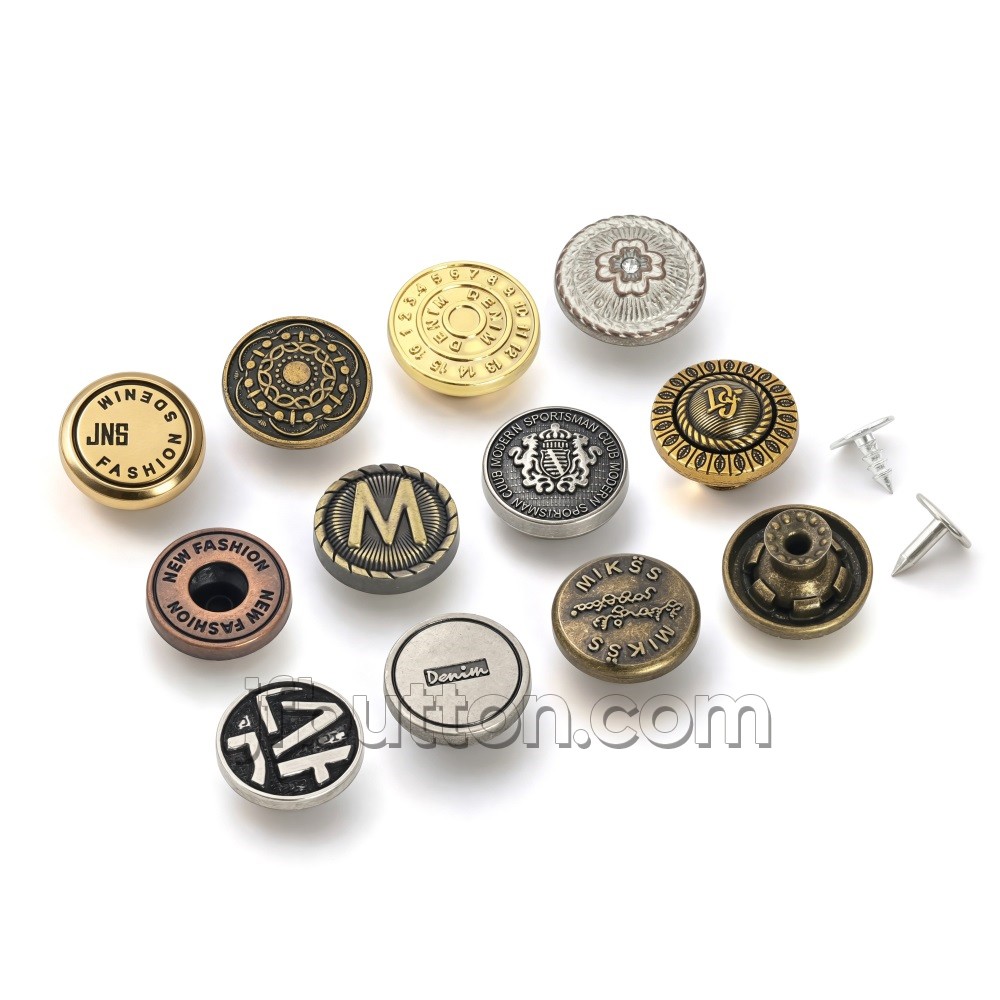
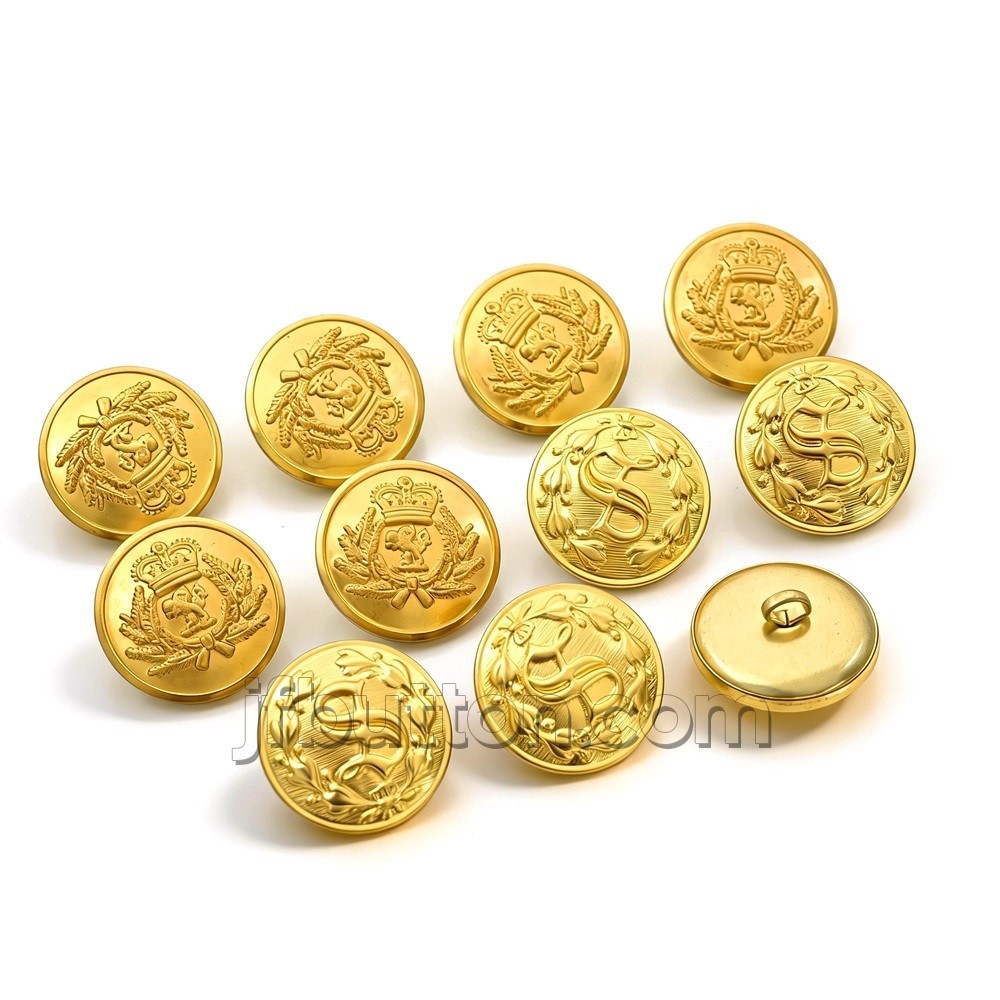
Among the many metal button manufacturing processes, die casting is one of the most widely used and important production methods. It efficiently produces structurally stable, intricately detailed, and highly customizable metal buttons, making it widely used in fashion apparel, denim clothing, military uniforms, swimwear accessories, and high-end garment hardware.
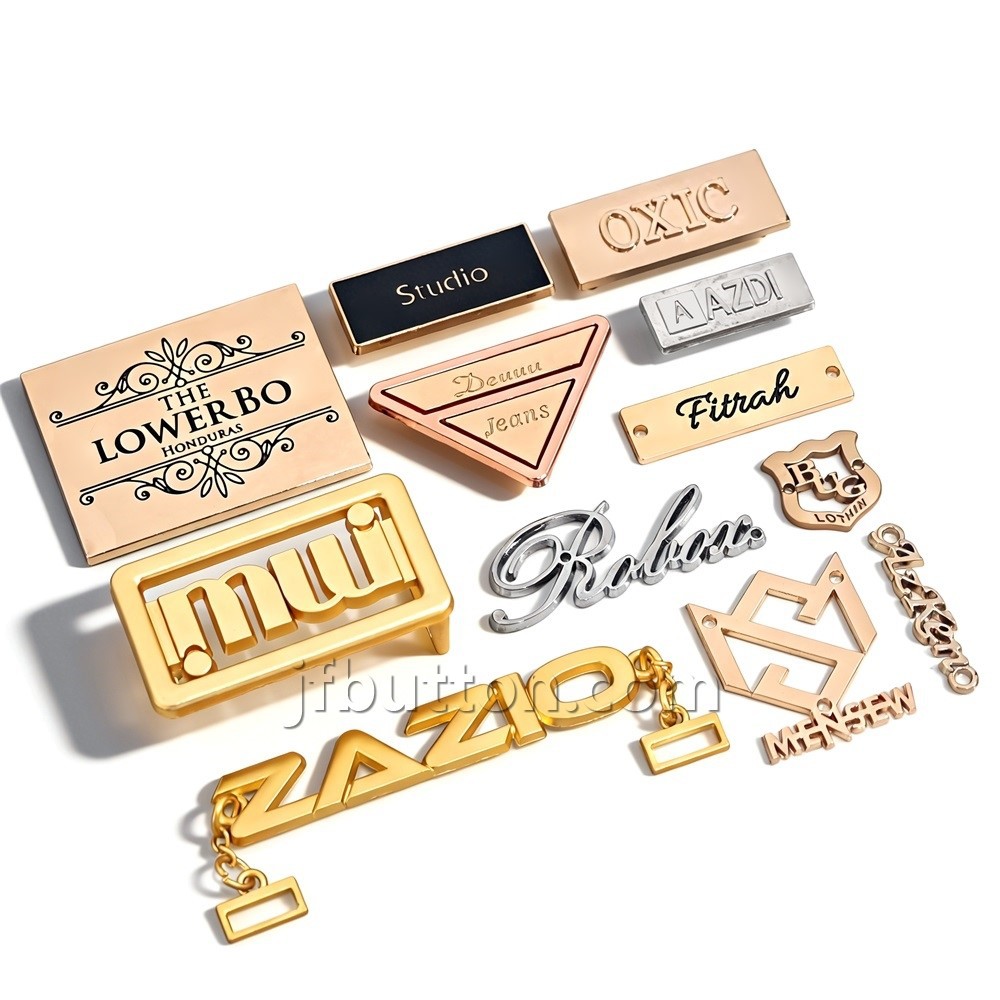
As an OEM metal button manufacturer with 18 years of experience, Kunshuo specializes in custom metal buttons, metal labels, and garment hardware accessories, providing professional solutions for global apparel brands and manufacturers.

What is button die casting?
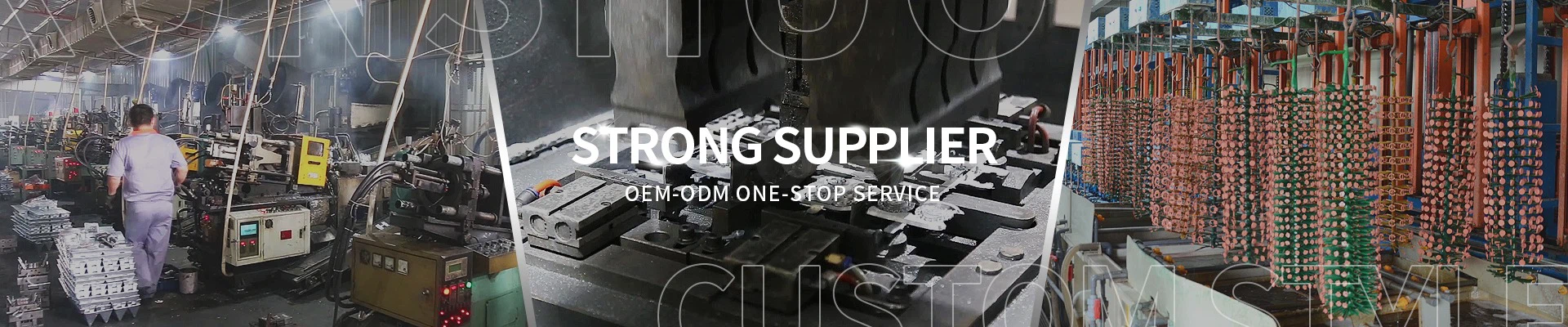
Die casting is a manufacturing process in which molten metal is injected into a precision steel mold under high pressure. Once the metal cools and solidifies, the mold is opened, revealing the finished metal part.
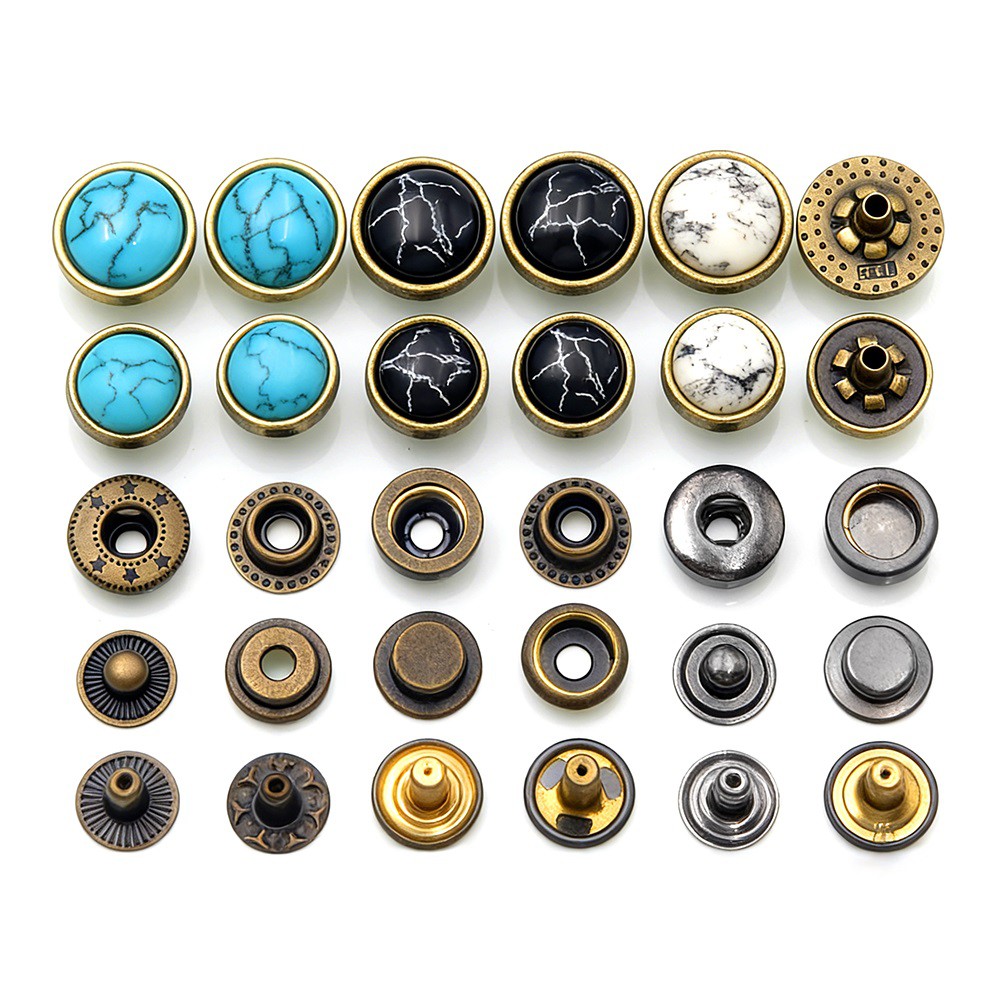
In button manufacturing, die casting is primarily used to produce metal buttons with complex shapes, intricate logos, three-dimensional textures, and high-strength structures.
Because die casting uses high-precision molds and high-pressure injection technology, it is ideally suited for high-volume, high-consistency button production.
Why is die casting widely used in button manufacturing?
Die casting has become a major manufacturing method for metal buttons primarily because it offers the following advantages: High production efficiency; Strong dimensional consistency; Capable of complex shapes; Excellent logo detail; High structural durability; Higher-quality surface finish; Suitable for mass production.
Compared to conventional processes, die casting provides apparel brands with greater design freedom and more consistent product quality.
How is the die-casting process for metal buttons carried out?
Mold Design and Development
Die-casting production begins with mold development. Our engineers design steel molds based on the button's shape, size, logo, and structural requirements.
High-precision molds are crucial for the final product quality, as they directly determine the button's detail and structural stability.
Custom molds can also help apparel brands create exclusive logos and unique designs.
Metal Melting Process
After the mold is completed, the metal material is heated to a molten state.
Stable temperature control ensures product surface quality and structural strength.
High-Pressure Injection into the Mold: The molten metal is injected into the steel mold under high pressure.
High-pressure injection ensures
Complete detail filling
Clearer logo
Smoother surface
More precise dimensions
The metal quickly forms the structure corresponding to the mold.
Cooling and Shaping
After injection, the metal cools and solidifies within the mold.
The mold is then opened, forming the initial die-cast button.
A stable cooling process helps reduce deformation and improve product consistency.
Trimming and Surface Treatment
After die-casting, the buttons require trimming, grinding, and polishing.
This stage improves:
- Edge smoothness
- Surface flatness
- Overall product texture
Fine polishing is especially important for high-end fashion buttons.
Electroplating and Coating Treatment
Electroplating adds decorative effects and protective properties to metal buttons.
We offer custom electroplating colors for the following common products:
- Gold plating
- Matte nickel
- Gun black
- Antique bronze
- Black nickel
- Brushed finish
High-quality electroplating not only enhances visual appeal but also improves corrosion resistance.
Click to learn more about electroplating colors
Quality Inspection
We typically conduct rigorous quality inspections, including:
- Dimensional inspection
- Surface inspection
- Tension testing
- Salt spray testing
- Electroplating adhesion testing
These tests help ensure the long-term stability and durability of the buttons.

Comparison of commonly used materials for die-cast buttons
|
Material |
Cost |
Durability |
Weight |
Corrosion Resistance |
Best Applications |
|
Zinc Alloy |
Medium |
High |
Medium |
Medium |
Fashion apparel |
|
Brass |
High |
Very High |
Heavy |
Medium |
Luxury garments |
|
Aluminum |
Medium |
Medium |
Light |
Good |
Lightweight accessories |
|
Stainless Steel |
High |
Excellent |
Heavy |
Excellent |
Outdoor uniforms |
What are the differences between die casting and stamping processes?
What is stamping?
Stamping is a process that uses metal sheets to form button shapes using molds.
Unlike die casting, stamping is primarily suitable for relatively flat structures.
Key Differences Between Die Casting and Stamping
|
Feature |
Die Casting |
Stamping |
|
Shape Complexity |
Excellent |
Limited |
|
Thickness |
More flexible |
Usually thinner |
|
Surface Detail |
High |
Medium |
|
Structural Strength |
Strong |
Medium |
|
Mold Cost |
Higher |
Lower |
|
Best For |
Decorative & premium buttons |
Simple flat buttons |
Challenges in Die Casting Button Manufacturing
Porosity Issues
Improper casting conditions may create tiny internal air pockets that affect strength and plating quality.
Plating Adhesion Problems
Poor surface preparation can reduce plating durability.
Mold Precision Requirements
Low-quality molds may cause dimensional inconsistency and poor logo definition.
Surface Imperfections
Scratches, pits, or rough surfaces can reduce product quality.
Consistency in Mass Production
Maintaining stable quality during large-scale production requires advanced manufacturing control.
Compared with simpler manufacturing methods, die casting offers superior design flexibility, excellent structural strength, and premium surface quality.
For apparel brands seeking reliable custom metal buttons, choosing an experienced die cast button manufacturer is essential for achieving consistent quality and long-term durability.
As a professional OEM metal button manufacturer, Kunshuo specializes in custom die cast buttons, apparel metal trims, and garment hardware solutions for global clothing brands.
Contact us today to request samples, discuss OEM projects, or receive a quotation for your custom die cast button production needs.
FAQ
Q: What is die casting in button manufacturing?
A: Die casting is a process where molten metal is injected into precision molds under pressure to create metal buttons.
Q: Which metals are best for die cast buttons?
A: Zinc alloy, brass, stainless steel, and aluminum are commonly used.
Q: Are die cast buttons durable?
A: Yes. Die cast buttons offer excellent structural durability and long-term stability.
Q: Can die cast buttons rust?
A: Buttons with proper plating and protective coatings can effectively resist corrosion.
Q: What is the difference between die casting and stamping?
A: Die casting uses molten metal and supports more complex shapes, while stamping forms metal sheets into simpler designs.
Q: Why is zinc alloy popular for buttons?
A: Zinc alloy offers excellent casting flexibility, affordability, and surface quality.
Q: How long does mold development take?
A: Custom mold development usually takes several days to a few weeKunshuo depending on complexity.
Q: Can custom logos be added to die cast buttons?
A: Yes. Laser engraving, embossing, and custom logo molding are widely supported.
Q: What plating options are available?
A: Popular finishes include gold plating, matte nickel, gunmetal, antique brass, and black nickel.
Q: What industries use die cast buttons?
A: Die cast buttons are widely used in fashion apparel, military uniforms, denim wear, luxury garments, and accessories.