Garment labels are like ID cards for the product, recording important information such as brand logo, fabric composition, care method, size, and place of origin. These labels are often sewn on different parts of the garment depending on the function. Consumers often decide whether to buy or not based on the information on the label. This article introduces you to information about the types of labels and materials commonly used in apparel to help you design unique labels for your garments.
Common garment labels
There are many types of garment labels, we can classify them by function, material and process to help brands choose the right type of label more accurately when customizing.
Classification By Function
1.Main Label
Main Label often printed with the brand's logo, used to show the identity of the brand, to enhance the brand's memory points.
Position: back neckline, pants waist
Material: woven mark, heat transfer, TPU
2.Care Label
Care Label is used to show the information of washing and care of clothes.
Display content: washing method, ironing temperature, whether it can be dry cleaned/rinsed
Common materials: printed nylon tape, ribbon or TPU
3. Composition Label
Composition Label is used to mark the fabric composition of the clothes, such as "100% Cotton" or "65% Polyester / 35% Polyester", "100% Cotton" or "65% Polyester / 35% Polyester". "65% Polyester / 35% Cotton".
4. Size Label
Size Label is used to show the size of the garment (e.g. S, M, L or 32, 34). It is often sewn on the side of the garment or printed together with the main label.
Hang Tag is used for retail display, often printed with product barcode, price, brand information, QR code, ingredient information.
Fixing method: rope buckle, plastic pin, zigzag pin
Material: cardboard, kraft paper, PVC
6. Flag Label
Flag Label is sewn on the side seam or the edge of the cuff, and is usually a small auxiliary label for the brand logo.


Classification By Material
1.Woven Labels
Woven Labels are woven into the cloth tape through the weaving process, and are often used as the main brand label of the product. The use of a wide range of men's and women's clothing, adult models and children's clothing can be applied.
2.Printed Labels
Printed Labels are printed on ribbons, nylon or cotton ribbons by screen printing or heat transfer technology, with low production cost, suitable for displaying information with more text content, such as ingredients and multi-language information.
3.Heat Transfer Labels
Heat Transfer Labels are printed on clothing through high temperature embossing, commonly used for underwear, sportswear and baby clothes.
4.TPU / Silicone Labels
TPU / Silicone Labels are made of translucent or colorful environmentally friendly plastic material, which is soft, waterproof and wear-resistant, and is commonly used in outdoor garments, swimsuits, and children's clothing.
5.Leather / Faux Leather Labels
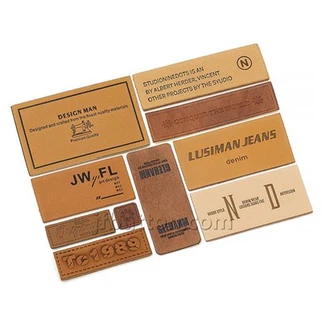
Leather labels are available in leather, imitation leather and metal, and are commonly used on jeans, jackets, and work style clothing.
Process: hot stamping, embossing, stitching decoration
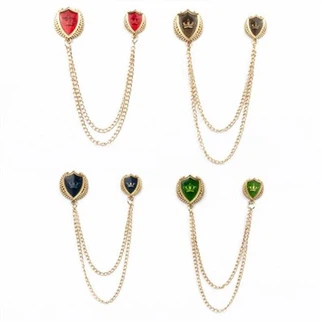
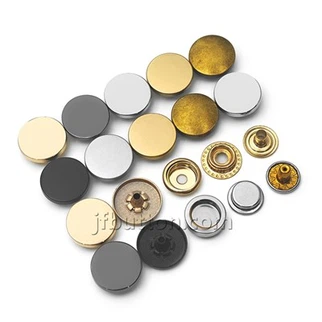
Metal label are made of zinc alloy, stainless steel and other metal materials, suitable for brands pursuing high-end texture.
Fixing method: claw feet, screws, magnetic
Recommended use: bags, trench coats, thobe
7.PVC / Rubber Labels
PVC / Rubber Labels with soft, waterproof, three-dimensional relief effect, suitable for outdoor or young tide brands.

Woven Labels

Printed Labels

Heat Transfer Labels

TPU / Silicone Labels


PVC / Rubber Labels

Sequin Label
Classification by Processing Technology
1.Embroidered Labels
Using machine embroidery to sew the pattern on the cloth surface, strong three-dimensional sense but limited complexity.
Characteristics: strong sense of handmade, suitable for street brands and niche design
2. High-Frequency Labels
High-frequency equipment is used to press out the embossed effect on TPU, PVC
Application: sportswear, bags, trendy clothing
Advantages: waterproof, three-dimensional, and not easy to come off
3. Hot Stamped Leather Labels
are often used on the surface of the leather, and logo patterns are embossed by heating the mold, suitable for retro and high-end styles. Hot Stamped Leather Labels are commonly used on leather surface to press out logo patterns through heated molds, suitable for retro and high-end styles.
Effects: frosted, glossy, metallic
4. Casting Metal Labels
can realize complex logo patterns and three-dimensional text through mold molding.
Craft Options: sandblasted, electroplated, brushed, laser engraving.

Embroidered Labels

High-Frequency Labels

Hot Stamped Leather Labels

Casting Metal Labels
Regulation of Clothing Labeling in the U.S. and EU
USA: FTC Care Labeling Rules
In the U.S., the FTC requires that all textiles sold must be permanently labeled with clear instructions on how to care for the product.
The label must include:
Proper care instructions: e.g. "machine wash cold, tumble dry low".
Fiber content: e.g. 100% cotton
Country of Origin: e.g. Made in China
RN Number: The company may substitute the full name of the company with the RN.
Label Format: Must be permanent, wash and wear resistant.
Language requirement: English
Basic requirements for EU labels:
Fiber content to be expressed precisely: use official standard terminology (e.g. "cotton", "polyester").
Declaration of origin (not mandatory but highly recommended)
Care icons are not mandatory, but the use of ISO 3758 standardized icons is recommended.
Labeling language: according to the country of sale need to use the language of the country, such as exports to France need to use French
With the types of garment labels explained above, customize the right label according to your brand positioning and product material.
Choosing a label partner who understands both design and production will make your label customization process twice as easy.
kunshuo has provided customized labeling services for more than 1,000 apparel brands, custom apparel factories, and designer brands around the world. Whether it's a small order or a large production run, we offer flexible, professional and fast solutions.
Start with a label to tell your brand story. Contact us now to start the exclusive customization journey!