

As fashion brands seek more durable and premium-looking accessories, PVD coating has emerged as one of the most popular finishing technologies for metal labels. Known for its excellent wear resistance, color stability, and modern appearance, PVD coating is widely used on luxury fashion hardware, swimwear labels, bags, footwear accessories, and custom metal garment tags.
Compared with many traditional decorative finishes, PVD-coated metal labels can provide enhanced durability and a more sophisticated appearance. This makes them particularly attractive to apparel brands that want to create long-lasting products while maintaining a premium brand image.
In this guide, you'll learn what PVD coating is, how it works, its advantages and limitations, how it compares to traditional electroplating, and why more fashion brands are choosing PVD-coated metal labels for their collections.
What Is PVD Coating?
Physical Vapor Deposition (PVD) is a vacuum coating technology that deposits a thin protective and decorative layer onto a metal surface.
In simple terms, metal particles are vaporized inside a vacuum chamber and bonded to the surface of a metal label, creating a durable and attractive finish.
Why Is PVD Coating Used on Metal Labels?
Enhanced Durability
Helps reduce surface wear during daily use.
Premium Appearance
Creates luxury metallic finishes.
Better Color Stability
Helps maintain appearance over time.
Improved Corrosion Resistance
Particularly important for swimwear and outdoor products.
Strong Brand Image
Supports premium product positioning.
Metal Label


Comparison of Common Base Materials for PVD Metal Labels
| Base Material | Cost Level | Durability | PVD Compatibility | Corrosion Resistance | Design Flexibility | Luxury Appearance | Typical Applications |
Stainless Steel
| Medium-High
| Excellent
| Excellent
| Excellent
| Good
| Premium
| Swimwear labels, luxury apparel labels, outdoor garment labels
|
Brass
| High
| Excellent
| Excellent
| Very Good
| Good
| Luxury
| Designer clothing labels, premium fashion accessories, luxury brand hardware
|
Zinc Alloy
| Low-Medium
| Good
| Good
| Good*
| Excellent
| Very Good
| Custom logo labels, fashion garment labels, decorative metal tags
|
Aluminum
| Low
| Moderate
| Good
| Good
| Good
| Modern
| Lightweight apparel labels, sportswear labels, promotional metal tags
|
PVD vs Electroplating: What's the Difference?
| Feature | PVD Coating | Traditional Electroplating |
| Wear Resistance | Higher
| Standard
|
| Color Stability | Better
| Varies
|
| Environmental Impact | Lower chemical usage
| More chemical processing
|
| Surface Hardness | Higher
| Lower
|
| Luxury Appearance | Excellent
| Good
|
| Long-Term Performance | Better
| Application dependent
|
| Cost | Higher
| Lower
|
Why Swimwear Brands Choose PVD Metal Labels
Swimwear accessories are constantly exposed to challenging conditions such as salt water, chlorine, sunscreen, sweat, and frequent friction. These factors can accelerate wear and affect the appearance of conventional metal finishes over time.
For this reason, many swimwear brands choose PVD-coated metal labels to enhance durability and maintain a premium look. PVD coatings provide excellent wear resistance, improved color stability, and enhanced corrosion resistance, helping metal labels retain their appearance even in demanding environments.
In addition to performance benefits, PVD finishes are available in stylish colors such as black, gunmetal, gold, and rose gold, allowing brands to create distinctive swimwear collections with a modern and luxurious aesthetic.
Whether you choose stainless steel, brass, or another compatible base material, the quality of the PVD process plays a critical role in the final appearance and performance of the label. By selecting the right material, finish, and manufacturing partner, brands can create metal labels that strengthen product identity and enhance perceived value.
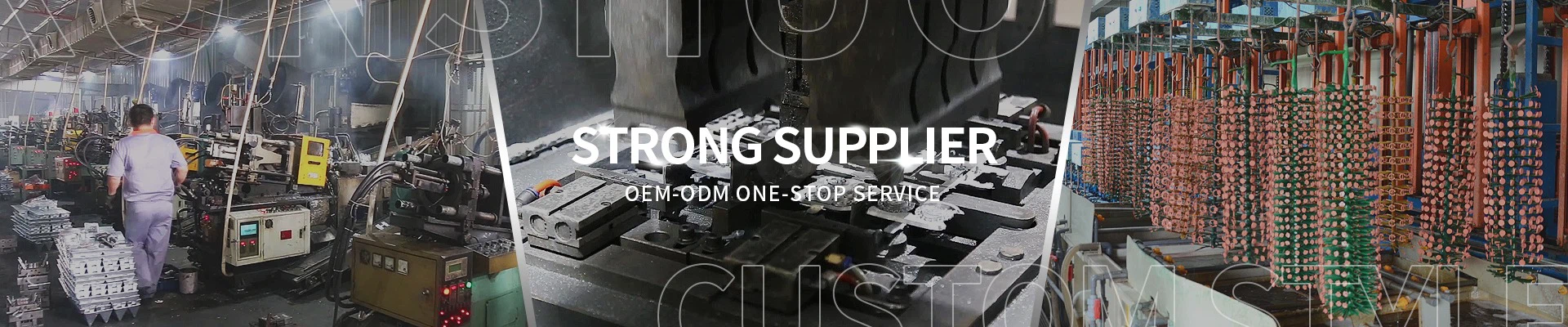
Looking for Custom PVD Metal Labels? Kunshuo specializes in custom metal labels for apparel, swimwear, bags, footwear, and fashion accessories. We offer OEM and ODM services, including custom shapes, logo engraving, premium PVD finishes, and tailored attachment solutions to meet your branding requirements.
Contact our team today to request samples, discuss your project, or receive a customized quotation for your next collection.
Contact now
FAQ
Q: 1. Is PVD coating better than electroplating?
A: PVD coating generally offers better wear resistance, color stability, and surface hardness than many traditional electroplating finishes. However, the best option depends on the product's budget, design requirements, and intended use.
Q: 2. Which metals can be PVD coated?
A: Common base materials include stainless steel, brass, titanium, and certain zinc alloy components. Stainless steel is one of the most popular substrates for high-quality PVD metal labels.
Q: 3. Do PVD metal labels fade over time?
A: High-quality PVD coatings are designed to maintain their appearance for extended periods. Actual performance depends on the base material, coating system, usage conditions, and maintenance.
Q: 4. Are PVD metal labels suitable for swimwear?
A: Yes. PVD-coated metal labels are often used on swimwear because they offer enhanced resistance to moisture, sweat, chlorine, and other challenging environments compared to many conventional decorative finishes.
Q: 5. Are PVD-coated labels waterproof?
A: PVD coatings are highly resistant to water exposure and everyday environmental conditions, making them suitable for apparel, swimwear, bags, and outdoor products.
Q: 6. What colors are available for PVD metal labels?
A: Popular options include black, gunmetal, gold, rose gold, silver, and various matte finishes. The available colors may vary depending on the coating technology and base material.
Q: 7. How long does PVD coating last?
A: The lifespan of a PVD coating depends on factors such as coating quality, substrate material, product usage, and environmental exposure. Under normal conditions, PVD finishes typically offer excellent long-term performance.
Q: 8. Is PVD coating environmentally friendly?
A: Compared with many traditional plating processes, PVD technology generally uses fewer chemicals and produces less waste, making it a more environmentally conscious finishing option.
Q: 9. Can PVD metal labels be customized?
A: Absolutely. PVD metal labels can be customized with logos, brand names, patterns, shapes, sizes, and various surface finishes to meet specific branding requirements.
Q: 10. What is the best base material for PVD metal labels?
A: Stainless steel is often considered the preferred base material due to its durability, corrosion resistance, and excellent compatibility with PVD finishes. Brass is also popular for luxury fashion applications.
Q: 11. Are PVD metal labels suitable for luxury apparel brands?
A: Yes. Many luxury fashion brands choose PVD-coated metal labels because of their premium appearance, excellent durability, and ability to maintain a consistent finish over time.
Q: 12. Do PVD-coated labels require special maintenance?
A: No special maintenance is typically required. Regular cleaning with a soft cloth and avoiding harsh chemicals can help preserve the appearance of the finish.
Q: 13. What should I consider when sourcing PVD metal labels?
A: Key considerations include base material selection, coating quality, color consistency, customization capabilities, durability requirements, quality testing standards, and the manufacturer's production experience.
Q: 14. What is the MOQ for custom PVD metal labels?
A: Minimum order quantities vary depending on the design complexity, material, customization requirements, and manufacturing process. Most suppliers can provide specific MOQ information based on your project needs.


