

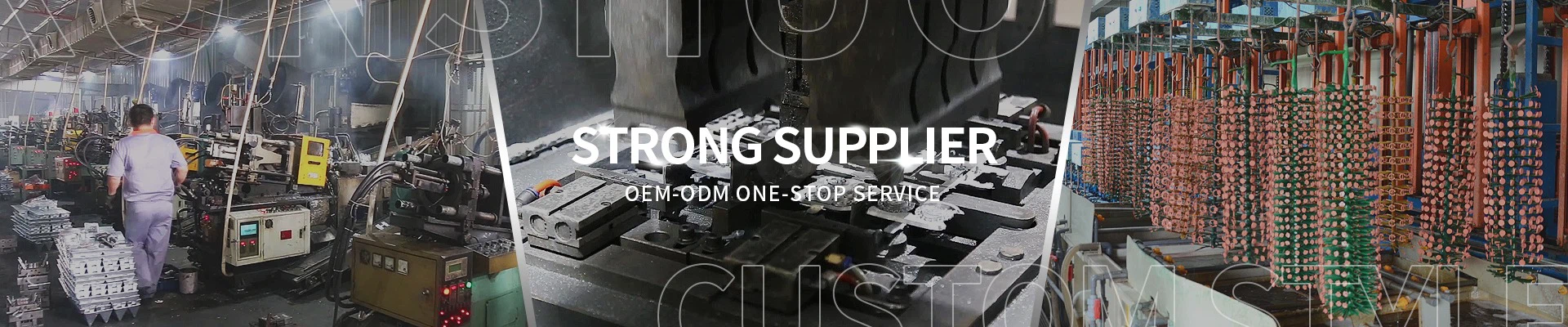

As brands and consumers increasingly demand eco-friendly products, sustainable fashion is no longer limited to fabrics and dyes, but encompasses every accessory and component used in garment production. For example, metal buttons made from recycled zinc alloys and aluminum reduce carbon emissions and can be reused repeatedly, further conserving natural resources.
What Are Recycled Metal Buttons?
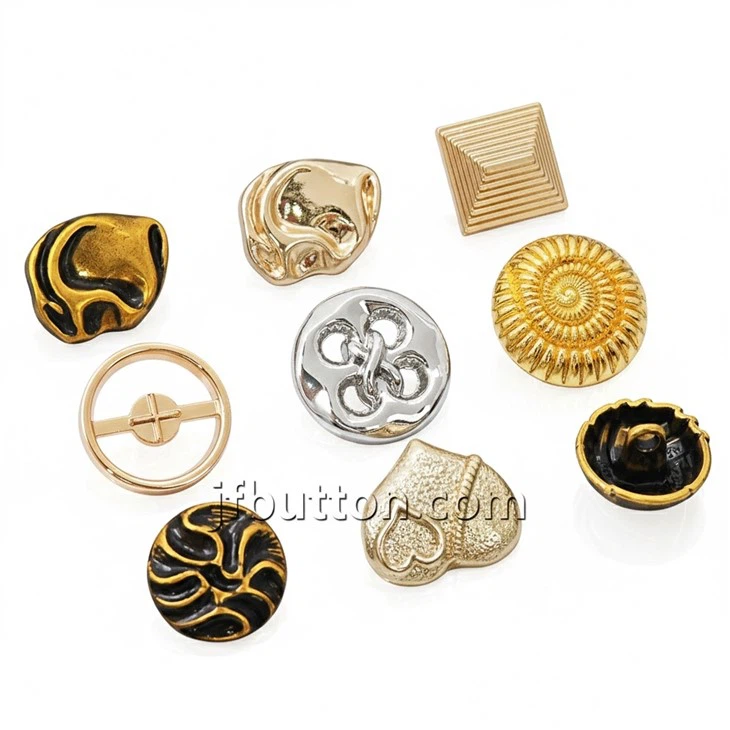
Recycled metal buttons are garment fasteners manufactured from reclaimed metal scrap - typically post-industrial waste - that has been refined, remelted, and recast into new zinc alloy or aluminum hardware without degrading strength, finish quality, or durability.
Unlike plastic alternatives marketed as "eco," recycled metal buttons are 100% real metal.
Recycled Zinc Alloy Buttons: Composition, Properties & Applications
Recycled zinc alloy buttons are made from zinc alloys refined from industrial waste metals through remelting. They feature a low melting point, allowing for rapid mold filling and minimal defects, making them ideal for crafting intricate logo buttons and decorative designs.
Furthermore, recycled zinc alloys possess a tensile strength of approximately 280-375 MPa, superior to plastics or low-cost metal alternatives.
Recycled Aluminum Buttons
Unlike many materials that degrade in quality through repeated recycling, aluminum can be remelted and reused an unlimited number of times without losing its strength or essential properties. The Aluminum Institute, a leading industry authority on metal sustainability, states that approximately 75% of all aluminum produced to date is still in use. This characteristic ensures that metal buttons made from recycled aluminum are of the same quality as those made from virgin aluminum.
In apparel production, recycled aluminum buttons are particularly common in lightweight shirts, blouses, and knitwear, where weight reduction improves wearing comfort. They are also used in sportswear and functional garments that require durable, lightweight accessories.




Virgin vs Recycled Metal Button: Is There Truly Zero Difference?
Metals like zinc and aluminum are elemental materials, not composite polymers. When they are recycled, they are sorted by alloy type, remelted, and impurities removed to form new crystal structures. Therefore, recycled metals do not suffer from reduced structural performance, shortened service life, or show any difference in appearance.
|
Comparison Dimension |
Virgin Zinc Alloy |
Recycled Zinc Alloy |
Virgin Aluminum |
Recycled Aluminum |
Difference Summary |
|
Raw Material Source |
Newly mined zinc ore |
Post-industrial zinc alloy scrap |
Bauxite ore extraction |
Post-industrial / post-consumer aluminum scrap |
Environmental sourcing difference only |
|
Alloy Composition Control |
Controlled at smelting |
Rebalanced during remelting (spectrometer tested) |
Controlled at smelting |
Rebalanced during remelting |
No chemical disadvantage |
|
Tensile Strength |
280–350 MPa |
280–350 MPa |
High strength-to-weight |
High strength-to-weight |
0% mechanical difference |
|
Yield Strength |
Equivalent |
Equivalent |
Equivalent |
Equivalent |
0% difference |
|
Hardness (HB) |
80–120 HB |
80–120 HB |
Comparable grade-based |
Comparable grade-based |
0% difference |
|
Corrosion Resistance |
Excellent |
Excellent |
Excellent |
Excellent |
0% difference |
|
Surface Finish Quality |
High polish, matte, antique compatible |
Identical finish compatibility |
Polished / anodized capable |
Identical anodizing & polishing |
No visual difference |
|
Electroplating Adhesion |
Strong bonding |
Strong bonding |
Good |
Good |
No adhesion loss |
|
PVD Coating Compatibility |
Fully compatible |
Fully compatible |
Compatible |
Compatible |
No difference |
|
Casting Precision |
Excellent (Zamak fluidity) |
Excellent (same alloy behavior) |
Good formability |
Same formability |
No dimensional impact |
|
Lifespan in Apparel Use |
5–10+ years |
5–10+ years |
Long-lasting |
Long-lasting |
No durability compromise |
|
Cost Stability |
Subject to raw ore volatility |
Often more stable depending on scrap market |
Energy intensive |
Energy efficient |
Long-term cost resilience |
Certifications & Compliance for Recycled Metal Hardware
When sourcing recycled metal buttons for your apparel brand, it's essential to verify with garment accessory manufacturers whether they possess recycling hardware certifications to avoid "greenwashing" and build trust with buyers, investors, and consumers. Below are some common recycled metal certifications:
1. The Global Recycled Standard (GRS) is one of the most comprehensive and widely accepted recycled content certifications globally. Originally developed by the Textile Exchange, it applies not only to textiles but also to other product types that contain recycled materials - including metal components.
2. The Recycled Claim Standard (RCS) is a widely recognized third-party certification that verifies the presence and amount of recycled content in a product. It is ideal for metal products that contain lower thresholds of recycled materials (e.g., 5% or higher).
3. SCS Global Services' Recycled Content Standard (SCS-103) is another authoritative certification for products containing recycled content. This standard applies across industries - from textiles and plastics to recycled metals - and includes both pre-consumer and post-consumer recycled material.
4. ISO-Aligned Certifications & Third-Party Verification and Chain of Custody & Traceability Requirements
Recycled Metal Buttons vs Other "Eco" Alternatives
Other common eco-friendly clothing accessories include recycled plastic buttons, bioplastics, natural materials (such as ivory nut buttons), and organic textile hardware. Recycled metal buttons outperform most eco-friendly alternatives in key performance indicators such as strength, durability, and surface finish. When choosing, it's important to select appropriate eco-friendly materials based on the specific application.
|
Feature |
Recycled Metal Buttons |
Recycled Plastic |
Bioplastic |
Natural Shell/Corozo |
|
Mechanical Strength |
High |
Medium |
Low |
Low |
|
Heat Resistance |
Excellent |
Poor |
Poor |
Moderate |
|
Surface Finish Quality |
High (metal plating/polish) |
Medium |
Low |
Natural texture |
|
Durability (Wear & Tear) |
High |
Medium |
Low |
Medium |
|
Recyclability |
Infinite |
Limited |
Varies |
Biodegradable (but not recyclable) |
|
Carbon Footprint (Lower is Better) |
Very Low |
Medium |
Medium |
Low |
|
Premium Brand Suitability |
High |
Medium |
Low |
Low–Medium |
Choosing recycled metal buttons offers both environmental benefits and enhances your brand's eco-friendly image. As a professional garment accessories manufacturer, we provide aesthetically pleasing and certified sustainable hardware. Contact us today for custom-made eco-friendly garment accessories.


